Digital Pianos Review
Strich SDP-300W Review: Budget Hammer Action Piano
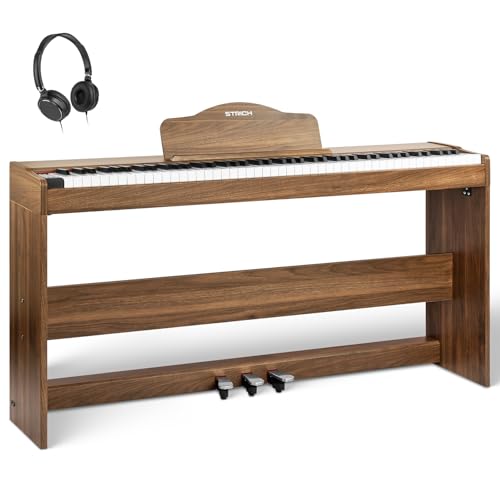
The Strich SDP-300W is a furniture style digital piano with 88 hammer action weighted keys, simulated ivory key tops, 128 note polyphony, and a large sound and rhythm library. The listing pitches it as a budget friendly home piano with app connectivity.
Our Verdict
Research Score 66/100The Strich SDP-300W presents a compelling package on paper for a budget furniture piano. Its 88 hammer action keys, simulated ivory texture, 128 note polyphony, and broad timbre and rhythm selection give it strong appeal for home learners. The walnut wood grain stand and app connectivity add everyday value. However the listing leaves several details unclear, including inconsistent speaker wattage, an unnamed wireless standard, and missing pedal and weight information. These gaps matter for buyers who want a complete picture before purchase. The score reflects the strong feature list tempered by the unknown physical and wireless specifics. It is best seen as a promising budget home instrument rather than a proven stage or long term workhorse.
Editorial research score based on published specifications and documented features, not a customer rating or lab test.
Strich
Strich SDP-300W
Best for: Beginner and casual players who want an 88 key hammer action piano with a furniture stand at a budget price.
Skip it if: You need clearly specified wireless audio, published weight, or a complete pedal set before ordering.
Check Price on AmazonWe may earn a commission at no extra cost to you.
Listing verified: October 2026
Who Should Buy It
Buy it if
- Beginners who want full size weighted keys for practice
- Casual players looking for a furniture style instrument at home
- Buyers who prefer a large onboard sound and rhythm library
- Self learners who plan to use a teaching app over USB or wireless
Skip it if
- You need proven pedal hardware and published physical specifications
- You expect Bluetooth audio rather than just a generic wireless connection
- You prefer a slab style keyboard for easy carrying and storage
Key Specifications
| Keys | 88 full-size weighted keys |
| Key action | Hammer-action weighted with simulated ivory texture |
| Polyphony | 128 max |
| Sounds | 128 preset timbres and 200 drum rhythms |
| Speakers | Conflicting listing figures: title 25W x 2, bullet 20W |
| Connectivity | USB MIDI, wireless connect, audio in |
| Bluetooth | Not published in listing; wireless connection mentioned |
| Pedals included | Not published in listing |
| Weight | Not published in listing |
| Included accessories | Furniture stand and power adapter described; other accessories not published |
Overview
The Strich SDP-300W is presented in the product listing as a full size 88 key digital piano with hammer action weighted keys and a furniture style stand in a walnut wood grain finish. It sits in the budget price tier and aims to give home players a piano-like feel without a large footprint or complicated setup. The listing highlights simulated ivory key texture, a 128 note polyphony ceiling, and a broad library of timbres and rhythms. These features position the SDP-300W as a strong entry level furniture piano for practice and casual play.
Several specification details are clear on paper. The keyboard is 88 keys, the action is described as hammer action weighted, and the polyphony maximum is listed at 128 notes. The sound section mentions 128 preset timbres and 200 drum rhythms, which is a generous selection for this price range. One point of confusion is speaker output because the listing title cites 25W x 2 while a feature bullet mentions 20W speakers. The exact amplifier power is therefore not fully consistent in the listing.
Key Action
The listing describes the SDP-300W as having 88 fully weighted full size keys with a simulated ivory texture. This kind of hammer action is meant to reproduce the resistance and return feel of an acoustic grand piano, which is useful for building finger strength and dynamic control. The term hammer action suggests there is some mechanical weighting system, but the listing does not name the specific action maker or grade. Buyers who are familiar with entry level hammer actions from brands like Yamaha, Roland, or Casio will understand that the feel can vary significantly between models, and this listing does not provide enough data for a precise comparison.
On paper, the key texture is a practical feature because simulated ivory can reduce finger slip during longer practice sessions. The listing does not state whether the action includes graded weighting, escapement simulation, or triple sensor detection, all of which affect the realism and responsiveness of the keybed. These omissions are common in budget listings but still leave questions for players who care about nuance. The published feature set suggests the keyboard is intended for daily practice rather than stage performance, and the furniture stand reinforces that home use profile.
Because this review relies on the published listing rather than direct playing, the feel, noise level, and long term consistency of the keybed remain open questions. On paper, budget hammer actions can feel heavier and slightly slower than premium actions, but that is a general observation and not a test of this model. The simulated ivory texture and full size key length are positive indicators, but they do not guarantee a particular level of quality. Buyers who prioritize a proven action design may want to audit a similar unit before committing.
Piano Sound and Speakers
The SDP-300W has a 128 note polyphony maximum according to the feature bullet. This is a healthy ceiling for a budget instrument because it allows dense sustained passages and layered sounds without early note dropouts. The listing also specifies 128 preset timbres and 200 drum rhythms, which gives the player a fairly large palette for practice, songwriting, and casual experimentation. In practical terms, 128 note polyphony is more than enough for a beginner or intermediate player using a single piano sound with effects, and it also supports split and layer modes comfortably.
Speaker output is less clear. The listing title advertises 25W x 2 speakers, but the feature bullet says the audio input plays through the piano's own 20W speakers. That discrepancy means the actual amplifier power is not definitive. Whether the system is 40 watts total or 50 watts total cannot be resolved from the current text. The listing does not publish speaker driver size, cabinet porting, or frequency response, all of which influence the final sound quality and room filling capability. Buyers who want a specific loudness for a living room or studio will need to seek out additional information.
The onboard sound engine is not described in detail, so tone generation method, sample layers, and resonance modeling are unknown from the listing. Buyers interested in a specific acoustic piano character will need to hear demos or use the audio input for external sounds. On paper, the large polyphony and timbre count are strong for a budget furniture piano, but the audio quality is unverified. The presence of chorus effects and the audio input suggest some flexibility, but the core piano sample quality remains an unknown that cannot be evaluated from the published specifications alone.
Features and Modes
The feature set includes layer and split modes, octave shift, transpose, and chorus effects. Intelligent auto chord is also listed, which can help beginners add harmonic support with fewer fingers. A dual keyboard mode and built in demos are mentioned for learning. These tools are common on budget digital pianos but they expand the SDP-300W beyond a basic practice keyboard. Layer mode allows two sounds to play at once, while split mode assigns different sounds to different sections of the keyboard, both useful for teaching and performance.
The listing also describes 200 drum rhythms and an orchestra of timbres, which suggests the instrument can serve as a simple arranger or backing track generator. The teaching app connection adds self study, composition, and lesson functions over wireless or USB MIDI. Since the listing does not detail the app name or its feature limitations, the exact software experience is not clear. On paper, these features make the SDP-300W a versatile home instrument for a beginner who wants more than just a piano sound. The dual keyboard mode is particularly useful for teacher and student sitting side by side.
- 128 preset timbres
- 200 drum rhythms
- Layer and split modes
- Chorus effects, octave shift, transpose
- Intelligent auto chord and dual keyboard
- Built in demos and teaching app support
Build, Design and Portability
The SDP-300W is built around a furniture stand with a walnut wood grain finish. The listing calls it a piece of music furniture with a vintage vibe, so it is positioned as a home instrument rather than a portable stage keyboard. Full size 88 key digital pianos with stands are typically stable but heavy and not intended for frequent transport. The furniture stand design is meant to stay in one room and blend with home decor, which is a distinct advantage for users who want a permanent practice station.
The listing says installation is simple, but it does not publish total weight, assembled dimensions, or stand material. That makes portability hard to judge. The product title confirms a full size electric piano with a furniture stand, but there is no published carrying weight or foldable design. Buyers who plan to move the piano between rooms should rely on the furniture form and expect a semi permanent setup. The lack of weight information also makes it difficult to assess whether one person can handle assembly or whether a second helper is needed.
The simulated wood grain aesthetic is a notable design point for buyers who want the instrument to blend with home decor. The listing does not state whether the body is solid wood, veneer, or laminate, so long term wear is unknown. On paper, the walnut finish and stand give the SDP-300W a more finished look than a slab keyboard on an X stand. For buyers who prioritize appearance over portability, this design may be a selling point. However the absence of published dimensions means it is hard to plan the exact footprint before ordering.
Connectivity
The product listing specifies USB MIDI and wireless connection for use with teaching apps on an iPad or phone. This means the piano can likely send MIDI data to software instruments and lesson platforms, although the wireless standard is not named. Audio in is also included, allowing an external audio source to play through the piano's speakers while the user practices along. This is a useful feature for playing along with backing tracks, metronome apps, or instructional videos without needing separate speakers.
The adapter specifications are published in one bullet. The input is AC 100V to 240V, output is DC 12V 3A, and the transformer connector is 5.5mm x 2.2mm. This is useful for buyers who need a replacement power supply. The listing does not mention Bluetooth audio streaming, line outputs, or headphone jack details, so the full connectivity picture is incomplete. Many budget digital pianos include a standard headphone jack on the front or back, but this listing does not confirm that.
For a budget piano, USB MIDI and a generic wireless connection cover the basics for app based learning and composition. The absence of explicit Bluetooth audio or MIDI details may disappoint buyers who assume wireless means Bluetooth. The published connectivity is adequate on paper, but the exact wireless protocol remains unspecified. Users who want to connect to a computer for recording or to a tablet for lessons will need to verify that the included USB port supports class compliant MIDI, which the listing does not state.
Setup and Accessories
The listing states that installation is simple and that the piano arrives with a furniture stand. The walnut wood grain panels are described as specially customized, but no tools, hardware count, or assembly manual details are provided. Buyers likely need a second person to move and assemble a full size furniture piano, although the listing does not state this explicitly. The assembly process for furniture style digital pianos typically involves attaching the stand sides, pedal board, and back panel, but this specific model is not described in detail.
The included accessories are not fully listed. The adapter is described with its voltage and connector size, so a power supply appears to be part of the package. The listing does not mention a sustain pedal, music rest, bench, or headphones. In the budget furniture piano category, a basic sustain pedal is sometimes included, but buyers should not assume that from this listing. The absence of a confirmed pedal is a notable gap because sustain is essential for piano practice.
Because the pedal set is not published, beginners who need a realistic damper pedal may need to purchase one separately. The listing also does not mention a headphone hook, key cover, or warranty details. The furniture stand is the main accessory, and the simple installation claim is a positive point for home assembly, but the lack of a complete accessory list is a limitation. Buyers who want a turnkey package with bench and pedal should clarify with the seller before purchasing.
Daily Use
In everyday practice, the SDP-300W is likely to function as a home learning and casual playing instrument. The 88 hammer action keys allow full repertoire and piano exercises, while the 128 note polyphony reduces note cutoff during sustained chords and layered sounds. The onboard rhythms and auto chord mode can make practice more engaging for beginners. A player can sit down and immediately access a piano sound, or explore other timbres and backing patterns without additional equipment.
The audio input is a practical daily use feature. A player can connect a phone or tablet and run backing audio through the piano's speakers, then play along with the same sound system. The teaching app support over USB MIDI or wireless is convenient for lessons, but the listing does not name the app. Without that detail, daily app use is hard to evaluate. Many budget pianos support popular apps like Simply Piano or Flowkey, but the listing does not confirm compatibility.
The dual keyboard mode and built in demos are helpful for starting lessons, and the transpose function supports singers or players learning in different keys. The large timbre library encourages experimentation, but the speaker wattage conflict suggests users should temper expectations about room filling volume. For quiet daily practice, headphone use is not detailed in the listing. Buyers who practice with headphones will need to verify the headphone jack exists, and the listing does not mention one.
Who Should Buy It
This piano suits beginners who want a full size hammer action keyboard at a budget price. The 88 weighted keys support proper finger development, and the furniture stand makes it a stable home practice station. Casual players who care about the walnut wood grain look may also find it appealing as a living space instrument. The large timbre and rhythm library gives beginners room to explore beyond basic piano sounds.
Self learners who plan to use a teaching app are a good fit on paper because the piano supports USB MIDI and a wireless connection. Songwriters and hobbyists may appreciate the 128 timbres, 200 drum rhythms, layer and split modes, and audio input. Buyers who want a budget furniture piano with a broad feature list will likely find the SDP-300W interesting. The furniture stand eliminates the need for a separate keyboard stand and creates a dedicated practice area.
The piano is less suited for advanced performers or gigging musicians who need a known grand piano sample, robust outputs, and proven durability. It is also not ideal for buyers who prioritize stage portability over home furniture style. Those who require a complete pedal set and published specifications should ask the seller for more detail before purchase. The unknown wireless standard and speaker wattage conflict may also deter buyers who want fully verified hardware.
Verdict
The Strich SDP-300W offers a strong feature list on paper for a budget furniture piano. The 88 hammer action keys, simulated ivory texture, 128 note polyphony, and large timbre and rhythm selection are appealing. The wood grain stand and app connectivity add home friendly value. These elements make it a competitive option in the entry level furniture piano category.
However the listing leaves several practical questions open. Speaker wattage is inconsistent, wireless type is unclear, and pedals, weight, and accessory details are not published. The score reflects that uncertainty, rating the piano as a solid budget option rather than a proven all rounder. Buyers who accept these unknowns may find it a suitable full size home instrument for daily practice and casual play.
Strengths and Limitations
Strengths
- 88 hammer-action weighted keys with simulated ivory texture
- 128 note polyphony and large timbre and rhythm selection
- Furniture stand with walnut wood grain styling
- USB MIDI and wireless app connectivity
- Audio in for playing along with external audio
- Budget tier pricing for a full size home piano
Limitations
- Speaker wattage is listed inconsistently in the title and bullet
- Wireless type is not clearly specified
- Pedals and total weight are not published
- Unknown long term key action consistency from the listing
- Bluetooth audio and MIDI details are absent
How We Scored It
Scores reflect published specifications, documented features and value against the alternatives below. They are editorial research scores, not laboratory measurements.
Alternatives to Consider

Donner DEP-20
Budget buyers who want weighted keys, loud speakers and a large sound library in one box
Read the Donner DEP-20 review →
Alesis Recital Pro
Beginners who want hammer-action keys and loud speakers for the least money
Read the Alesis Recital Pro review →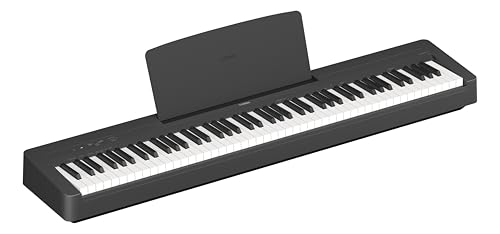
Yamaha P-145
Beginners who want the current Yamaha entry model with app control and a slim footprint
Read the Yamaha P-145 review →Questions Buyers Ask
Strich SDP-300W
See the current listing, price and included accessories.
About This Review
Mandrillis Team
The Mandrillis editorial team researches and compares audio and music gear using manufacturer documentation, verified specs and real buyer feedback, so you can make a confident purchase without wading through marketing claims.
Read our full research methodology.