Studio Gear Review
Audio-Technica AT2005USB Review: One Mic, Two Jobs
The Audio-Technica AT2005USB is a handheld dynamic microphone with both USB and XLR outputs, a built in headphone jack and volume control. On paper it is built to move between a computer for podcasting and a PA system for live performance without needing two separate microphones.
Our Verdict
Research Score 76/100The Audio-Technica AT2005USB solves a specific problem well: it gives a buyer one microphone that plugs into a computer over USB for podcasting or voiceover and into a PA over XLR for live performance, without carrying two separate microphones. The built in headphone jack with its own volume control is a genuinely useful inclusion for direct monitoring while recording. What the feature bullets leave undocumented, frequency response numbers, maximum SPL, a confirmed polar pattern beyond the listing title and included accessories, keeps some specifics open. For buyers who genuinely need both a desk setup and a stage connection from one microphone, it remains a sound, flexible budget choice as a dual output all rounder.
Editorial research score based on published specifications and documented features, not a customer rating or lab test.

Audio-Technica
Audio-Technica AT2005USB Dynamic Microphone
Best for: Podcasters, voiceover artists and part time performers who want one microphone that covers both a computer and a PA system.
Skip it if: You only ever record at a desk and never need the XLR output for live or PA use.
Check Price on AmazonWe may earn a commission at no extra cost to you.
Listing verified: November 2026
Who Should Buy It
Buy it if
- Podcasters and streamers who occasionally need a mixer or PA connection too
- Voiceover artists who want direct headphone monitoring built into the microphone
- Mobile performers who record demos at home and sing live on the same microphone
Skip it if
- You exclusively record into a computer and will never need the XLR path
- You want a studio condenser for the most detailed vocal capture
- You need a documented maximum SPL figure before buying
Key Specifications
| Type | Handheld dynamic microphone with dual USB and XLR outputs |
| Polar pattern | Cardioid, per the listing title; the feature bullets describe the microphone's suitability for podcasting and on-stage use without restating the pattern name |
| Frequency response | Described as smooth and extended in the feature bullets; no numeric figures published |
| Connection | USB digital output plus a separate XLR analog output |
| Phantom power | Not required; dynamic capsule, with the USB path powered digitally over the USB connection |
| Max SPL or sensitivity | Not published in the feature bullets |
| Controls | Headphone volume control on the base of the microphone |
| Mount and stand | Not published in the feature bullets |
| Weight | Not published in the feature bullets |
| Included accessories | Built-in headphone jack for direct monitoring; stand and cables not confirmed in the feature bullets |
Overview
The Audio-Technica AT2005USB is a handheld microphone built to serve two roles at once. The feature bullets describe a dynamic capsule with a USB digital output for connecting straight to a computer and a separate XLR analog output for a conventional PA or mixer input.
That dual output design is the core idea behind this microphone. A buyer can record directly into recording software over USB for a podcast or voiceover session, then unplug and use the same microphone through a PA for a live performance, without owning two separate devices.
The feature bullets frame the intended uses broadly: podcasting, home studio recording, field recording, voiceover and on stage work. That breadth suggests Audio-Technica designed this as a flexible, general purpose tool rather than a specialist microphone for any single application. This flexibility comes at a budget price point, which makes the AT2005USB an attractive single purchase for someone building a first home recording setup who also performs occasionally, rather than buying a dedicated USB condenser and a separate stage dynamic as two purchases.
Sound Quality
The feature bullets describe a smooth, extended frequency response suited to podcasting, home recording, field recording, voiceover and stage use, though no numeric frequency range is published. That general description places the emphasis on voice clarity rather than a wide instrument friendly range.
As a dynamic design, the AT2005USB should behave like other handheld dynamics in terms of handling close, loud sources without the overload risk that affects some condensers. The feature bullets do not publish a maximum SPL figure, so the exact ceiling before distortion is not documented.
Compared with a reference dynamic such as the Shure SM58, a smooth extended response aimed at voice work suggests broadly similar intentions, favoring clarity on speech and song over a flat, reference style capture. Buyers report that the USB path adds a clean, simple digital conversion for straightforward podcast and voiceover use. Because the same capsule feeds both outputs, the underlying tonal character should stay consistent whether a buyer is recording a podcast episode over USB or singing through a PA over XLR at a later show.
Pickup Pattern and Noise Handling
The listing title identifies this as a cardioid microphone, though the feature bullets themselves do not restate the pattern name directly. A cardioid design would be consistent with the stage and podcasting uses the feature bullets describe, since it favors sound from the front and reduces pickup from the sides and rear.
That kind of rejection matters for both of this microphone's intended jobs. It helps the live PA output resist feedback, and it helps the USB output reject room noise and keyboard clatter during a desk recording session.
No maximum SPL or sensitivity figure is published in the feature bullets, so exact noise handling numbers are not available. The dual output design itself, however, suggests Audio-Technica expects this microphone to handle both close up speech and louder stage sources without separate models. Buyers working in untreated rooms will still benefit most from the assumed cardioid rejection, since a directional pattern does more to control an inconsistent recording space than software noise reduction applied afterward.
Build Quality
The feature bullets describe a handheld form factor with a built in headphone jack and volume control on the base, which adds some mechanical complexity compared with a simple XLR only dynamic microphone. No specific housing material or weight is published.
The headphone jack and its physical volume dial are the two notable additions to the body beyond a standard handheld shell. Both are described directly in the feature bullets as being built into the microphone itself, rather than a separate control box.
Without a published weight or material specification, buyers cannot compare this microphone's physical durability against competitors on paper. The dual jack design, USB plus XLR, does suggest a slightly larger internal footprint than a single output handheld.
- Handheld dynamic body with dual USB and XLR outputs
- Built in headphone jack for direct monitoring
- Headphone volume control on the base of the microphone
- Weight and housing material not published in the feature bullets
Connectivity and Setup
Connectivity is the defining feature of the AT2005USB. The feature bullets describe a USB digital output that connects straight to a computer for recording, and a separate XLR analog output that connects to a sound system's conventional microphone input for live performance.
Having both outputs active at once, per the feature bullets' description, means a user does not have to choose a single mode before setup. The built in headphone jack lets a user monitor directly from the microphone rather than through a separate interface or mixer send.
The headphone volume control on the bottom of the microphone, described directly in the feature bullets, is adjusted independently of any computer or mixer settings. This keeps monitoring simple during a recording or performance session.
Features, Controls and Extras
The headphone jack with its own volume control is the standout feature here, letting a user monitor their own voice directly from the microphone without routing through separate hardware. That is a meaningful convenience for solo podcasters and voiceover artists working without an engineer or a separate monitoring setup nearby.
Beyond the dual outputs and headphone monitoring, the feature bullets do not describe any additional controls, such as a mute switch or gain dial on the body itself. The feature set stays focused on the two output paths and direct monitoring.
No companion software, app or digital signal processing is mentioned in the feature bullets, which keeps the USB path simple. Plug in and record, without driver installation or configuration beyond standard operating system audio settings.
Use Cases: Vocals, Streaming, Podcasting and Instruments
Podcasting and voiceover are the clearest fits, since the feature bullets name both directly and the USB output removes the need for a separate interface. The built in headphone jack makes solo recording sessions easier to manage without extra gear.
The XLR output extends the same microphone to live performance, which the feature bullets also call out specifically. A part time singer or speaker could use this one microphone for a home podcast setup during the week and a small stage or PA system on a weekend.
Instrument recording is not a focus area in the feature bullets, which center the description on voice work. Buyers wanting a dedicated instrument microphone for guitar cabinets, drums or acoustic instruments would be better served by a model voiced and marketed for that purpose.
Who Should Buy It
Podcasters and voiceover artists who want a simple USB connection plus the option of a PA connection later are the core audience here. The built in headphone jack removes a step that many entry level USB microphones require a separate interface to provide.
Mobile performers who record demos or practice sessions at home and sing live on weekends get genuine, ongoing value from not needing two separate microphones in their gear bag. The dual output design covers both situations with one piece of gear.
Buyers who will only ever record into a computer. And never need a PA connection, may find the XLR output adds cost without benefit, and could look at a USB only microphone instead.
Alternatives Worth Considering
The Shure MV7 is a well known comparison point for a dual USB and XLR dynamic microphone, generally positioned at a higher price with a broader feature set including onboard processing. The Samson Q2U is a closer budget peer, offering a similar dual output concept.
For buyers who only need USB, a dedicated USB condenser such as the Audio-Technica AT2020USB plus trades the XLR path for a different tonal character suited to quieter home studio work. For buyers who only need XLR, a straightforward handheld dynamic such as a Shure SM58 is simpler and often less expensive.
Anyone wanting the most detailed vocal capture for studio tracking should look at a dedicated condenser on a stand rather than a dual output handheld, since this design prioritizes flexibility over outright detail. The AT2005USB is best understood as a travel friendly generalist rather than a specialist in any one of the roles it can fill.
Verdict
The Audio-Technica AT2005USB earns its keep by solving a real problem. One handheld microphone that connects to a computer over USB and a PA over XLR, with a built in headphone jack and volume control for direct monitoring either way.
The feature bullets leave frequency response numbers, maximum SPL and a confirmed polar pattern name unpublished, which limits how precisely this review can describe its sound on paper. For buyers who genuinely need both a desk setup and a stage connection from one microphone, it remains a sound, flexible budget choice.
Strengths and Limitations
Strengths
- Dual USB and XLR outputs cover both computer recording and live PA use
- Built in headphone jack for direct, zero latency style monitoring
- Headphone volume control built into the base of the microphone
- Smooth, extended frequency response aimed at voice work, per the feature bullets
- One microphone handles podcasting, field recording, voiceover and on stage work
Limitations
- Polar pattern is confirmed by the listing title rather than the feature bullets
- No frequency response numbers published, only a general description
- No maximum SPL or sensitivity figure given
- No stand, cables or case confirmed as included
How We Scored It
Scores reflect published specifications, documented features and value against the alternatives below. They are editorial research scores, not laboratory measurements.
Alternatives to Consider

Beyerdynamic M 160
Recording guitar amplifiers, drum overheads, strings and brass with a smooth, directional ribbon character.
Read the Beyerdynamic M 160 review →
Shure BLX288/SM58 Dual Vocal
Bands, worship teams and event companies that need two dependable wireless SM58 vocal channels in one simple package.
Read the Shure BLX288/SM58 Dual Vocal review →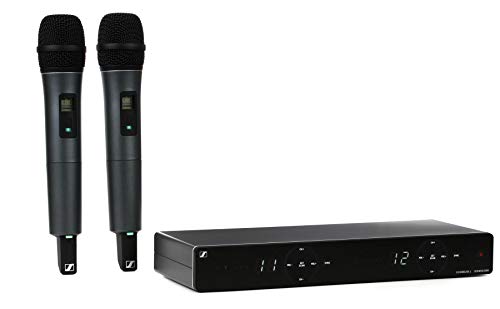
Sennheiser XSW 1-835
Worship teams, schools and gigging duos who want two wireless e835 vocal channels with the simplest possible setup.
Read the Sennheiser XSW 1-835 review →Questions Buyers Ask
Audio-Technica AT2005USB Dynamic Microphone
See the current listing, price and included accessories.
About This Review
Mandrillis Team
The Mandrillis editorial team researches and compares audio and music gear using manufacturer documentation, verified specs and real buyer feedback, so you can make a confident purchase without wading through marketing claims.
Read our full research methodology.