Studio Gear Review
Mackie ProFX22v3 22-Channel Review: 17 Onyx Preamps and 192 kHz USB
The Mackie ProFX22v3 22-Channel is a professional analog mixer with 17 Onyx microphone preamps offering up to 60 dB of gain, a 24-bit/192 kHz 2x4 USB interface that returns two custom mixes, a GigFX engine with 24 effects and a single-knob monitor blend. It sits in the mid-range tier for bands, venues and streamers.
Our Verdict
Research Score 80/100The Mackie ProFX22v3 22-Channel is an analog desk that takes recording more seriously than most of its peers. Seventeen Onyx preamps with up to 60 dB of gain suit the low-output dynamic microphones that content creators favor, the USB interface runs at 24-bit/192 kHz, and the 2x4 design returns two separate computer mixes for monitoring specific tracks alongside the full mix. The GigFX engine's 24 effects and the blend knob for overdubs round out a practical feature set. The listing omits phantom power, outputs and bus details, and its data carries a 16-channel model code alongside the 22-channel title, so confirm the exact version. USB capture remains stereo only. For a full band or busy streamer, it is good value in the mid-range tier. It scores 80 out of 100.
Editorial research score based on published specifications and documented features, not a customer rating or lab test.

Mackie
Mackie ProFX22v3 22-Channel
Best for: Bands, venues and streamers who need many high-gain preamps in an analog desk with 192 kHz USB recording and dual return mixes.
Skip it if: You need every channel recorded to its own track over USB, or you want scene recall and a digital workflow.
Check Price on AmazonWe may earn a commission at no extra cost to you.
Listing verified: October 2026
Who Should Buy It
Buy it if
- Full bands and rehearsal rooms that need 17 microphone preamps
- Content creators using low-output dynamic microphones that demand high gain
- Small venues that want onboard effects and a simple stereo USB feed
- Home studios recording overdubs with a hardware mixer in front of the computer
Skip it if
- Multitrack USB capture of each channel is required
- You want scene memory and digital recall
- Your input list fits comfortably on a 10 or 12 channel mixer
Key Specifications
| Type | 22-channel professional analog mixer with USB audio interface and GigFX effects engine |
| Inputs | 22 channels; 17 Onyx microphone preamps; remaining line input details not published in listing |
| Outputs | Not published in listing; USB returns two stereo mixes from the computer |
| Preamps | 17 Onyx mic preamps with up to 60 dB of gain, described as ultra-low noise |
| Resolution | 24-bit/192 kHz |
| Phantom power | Not published in listing |
| Connection | 2x4 USB audio interface; connector type and driver details not published in listing |
| Monitoring | Single-knob blend between computer playback and the direct mixer feed |
| Bundled software | Not published in listing |
| Included accessories | Not published in listing |
Overview
The Mackie ProFX22v3 22-Channel is the largest model in Mackie's third-generation ProFX line of analog mixers with USB. The listing positions it for live sound, home recording, content creation and live streaming, and the specification supports that spread: 17 Onyx microphone preamps, a 24-bit/192 kHz USB interface and a GigFX effects engine.
One point needs flagging before anything else. The product title in the listing names the 22-channel ProFX22v3, but the model field in the listing data reads ProFX16v3, which is the 16-channel sibling. The specifications quoted here, including the 17 preamps, match the 22-channel model, and buyers should confirm which version is being shipped.
The mixer sits in the mid-range tier. In that bracket it competes with other large analog USB consoles and with entry-level digital mixers, and its case rests on preamp count, gain and recording resolution rather than on recall or networking.
Preamps and Sound Quality
Seventeen Onyx microphone preamps are the headline, with the listing citing up to 60 dB of gain and ultra-low noise performance. Sixty decibels is a meaningful figure, because the dynamic broadcast microphones popular with content creators need a lot of clean gain to reach a healthy level. The listing calls out that use case specifically.
Onyx is Mackie's premium preamp design and has appeared across its analog and digital products for years. The listing does not publish an equivalent input noise number or a distortion figure, so the ultra-low noise claim stands as a qualitative one. Phantom power is not mentioned in the listing, which is a notable omission for a desk with 17 mic inputs.
On the recording side, the USB interface operates at 24-bit/192 kHz, which the listing describes as delivering the cleanest recordings possible. That resolution exceeds what most analog mixers with USB provide and is more than adequate for any streaming or home recording task. Converter dynamic range is not stated.
Inputs, Outputs and Routing
Twenty-two channels with 17 microphone preamps leave a small number of stereo line channels for keyboards, playback devices and computer returns. The exact breakdown of mono and stereo channels, along with the connector types, is not published in the listing. For a full band, 17 preamps cover drums, bass, guitars and a row of vocal microphones with headroom to spare.
The 2x4 USB interface is the most interesting routing feature. Two channels go to the computer as the stereo mix, and four come back as two independent stereo mixes. The listing explains that this allows two custom mixes to be built on the computer and returned to the mixer, so a performer can monitor specific tracks during playback in addition to the full mix.
Main outputs, auxiliary sends, subgroups and the overall bus structure are not published in the listing. A console of this size normally includes several aux sends and subgroup buses, but the listing does not confirm them. Buyers planning monitor mixes should check the full specification.
Features, Monitoring and Software
The GigFX effects engine supplies 24 effects, described in the listing as high resolution and ranging from reverbs to delays. Onboard effects on a live console mean one less rack unit, and for streamers they add polish to vocals without a software plug-in. The listing's tone about the delay effects is playful, but the count and categories are clear.
Monitoring is handled by a single knob that blends between the computer's output and a direct feed from the mixer. The listing highlights this for recording overdubs alongside a pre-recorded track, which is a common home studio scenario. Combined with the two return mixes from the computer, it gives the ProFX22v3 a more complete monitoring story than most analog desks.
Bundled software is not listed in this listing, and neither are included accessories. Mackie has historically included recording and plug-in software with the ProFX series, but this listing does not confirm any such package, so buyers should assume none until verified.
- 17 Onyx mic preamps with up to 60 dB of gain
- 24-bit/192 kHz USB audio interface
- 2x4 USB I/O with two custom return mixes from the computer
- GigFX engine with 24 effects from reverbs to delays
- Single-knob blend between computer playback and direct mixer feed
Build, Design and Controls
As a 22-channel analog console the ProFX22v3 has a large control surface with dedicated knobs and faders for every channel. This is the appeal of analog for live sound: everything is visible and adjustable without a menu. Chassis material, weight and dimensions are not published in the listing.
Fader type, channel EQ layout and the presence of per-channel high-pass filters or compressors are not described in the listing. Mackie's ProFX series is generally regarded as sturdily built for its tier, with the v3 generation refining the earlier designs, but this listing does not make specific construction claims.
The single-knob monitor blend and the effects controls are the ergonomic highlights the listing does describe. For a mixer intended to sit in front of a computer in a home studio or streaming setup, having those functions on physical controls rather than in software is a genuine convenience.
Connectivity, Drivers and Latency
USB connectivity is specified as 2x4 at 24-bit/192 kHz. The connector type, supported operating systems and driver requirements are not published in the listing. Mackie typically provides a driver for Windows and relies on class compliance on macOS, but that is general knowledge about the brand rather than a statement in this listing.
Latency figures are not stated. The single-knob blend between direct mixer feed and computer playback exists precisely to sidestep latency during overdubs, because the performer can monitor the direct signal with no round trip while hearing the backing track from the computer. That is a practical solution that works regardless of the driver's performance.
The connectivity score of 8 reflects a USB implementation that goes beyond the usual stereo in and out by returning two independent mixes, balanced against the unpublished connector, driver and output details. The lack of multitrack capture over USB is the main limitation for recording-focused buyers.
Setup and Daily Use
In a live setting the ProFX22v3 is patched like any analog console, with microphones across the 17 preamps and playback sources on the line channels. The GigFX engine provides reverb and delay for vocals, and the stereo USB feed can run to a laptop for recording the show or feeding a stream.
For streaming and content creation, the high-gain preamps make dynamic broadcast microphones easy to drive, and the two return mixes allow game audio or music to be monitored separately from the full program. The blend knob lets the host hear their own voice directly while the computer audio plays back.
In a home studio the console acts as a front end with hardware EQ and effects, sending a stereo mix to the DAW. Overdubbing is comfortable thanks to the blend knob, though each take lands as a stereo file rather than on separate tracks per input, which shapes how sessions are organized.
Who Should Buy It
Full bands and rehearsal rooms that need a large number of microphone preamps are the primary audience. Seventeen Onyx preamps with 60 dB of gain handle a complete band and a rack of vocal microphones with room for more.
Content creators and streamers who use low-output dynamic microphones are explicitly targeted by the listing, and the combination of high gain, onboard effects and dual return mixes suits that workflow well. Home studios recording overdubs against backing tracks benefit from the blend knob.
Buyers who need each channel on its own track over USB should look at a digital console or a dedicated multichannel interface. Those who want scene recall will also prefer a digital desk. Anyone with a short input list is paying for channels they will not use.
Alternatives Worth Considering
The Yamaha MG20XU is the closest analog rival, with 20 inputs, six buses, D-PRE preamps, 1-knob compressors and SPX effects in a metal chassis. Its listing publishes fewer recording details than the ProFX22v3 listing, but it is a comparable large analog USB desk in a similar tier.
A compact digital console such as the Yamaha DM3 offers 16 preamps, scene recall and an 18x18 USB interface that records every channel separately. It costs more and uses a touchscreen workflow, but it solves the multitrack limitation that the ProFX22v3 shares with all analog USB mixers.
For small setups, the Yamaha MG10XU provides four D-PRE preamps and 192 kHz stereo USB at a much lower tier, and desktop interfaces such as the Focusrite Scarlett 2i2 or MOTU M2 cover one or two inputs with per-channel recording. The ProFX22v3 only makes sense when the input list is genuinely long.
Verdict
The Mackie ProFX22v3 22-Channel pairs a generous count of high-gain Onyx preamps with a USB interface that records at 24-bit/192 kHz and returns two custom mixes, plus 24 GigFX effects and a practical monitor blend knob. For bands, venues and streamers with many microphones, that is a well-judged feature set in the mid-range tier.
The unpublished phantom power, outputs and bus details, the stereo-only USB capture and the 16-channel model code in the listing data are the reasons the score stops at 80 out of 100. Buyers who confirm the version and the missing specifications will find a capable analog workhorse with better recording manners than most.
Strengths and Limitations
Strengths
- 17 Onyx preamps with up to 60 dB of gain for demanding microphones
- 24-bit/192 kHz USB recording quality
- 2x4 USB interface returns two separate mixes from the computer
- GigFX engine with 24 effects including reverbs and delays
- Single-knob blend for monitoring overdubs against playback
- 22 channels cover a full band plus playback sources
Limitations
- USB sends a stereo mix only, not 17 separate tracks
- Phantom power, outputs and bus structure not published in listing
- Listing data carries a 16-channel model code alongside the 22-channel title
- No bundled software or accessories listed
How We Scored It
Scores reflect published specifications, documented features and value against the alternatives below. They are editorial research scores, not laboratory measurements.
Alternatives to Consider

Yamaha DXR10MKII
Bands, DJs and venues that want a compact powered speaker with high output and onboard DSP, used as a main or a monitor with a separate mixer.
Read the Yamaha DXR10MKII review →
Yamaha EMX5 12-input
Community groups, schools, worship teams and solo performers who want one box that mixes 12 inputs and powers a pair of passive speakers without a separate amplifier rack.
Read the Yamaha EMX5 12-input review →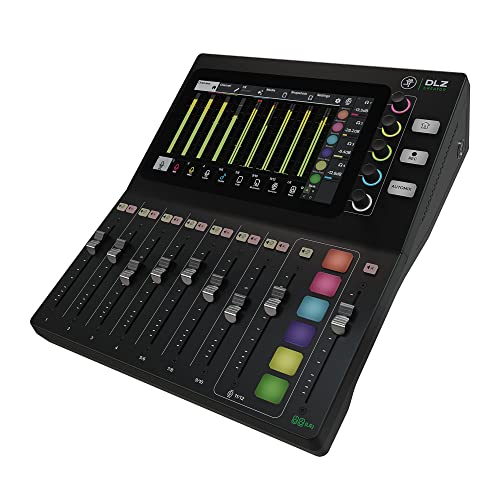
Mackie DLZ
Podcasters and streamers of any experience level who want a touchscreen mixer that manages levels automatically for up to four voices and records to SD card or USB-C.
Read the Mackie DLZ review →Questions Buyers Ask
Mackie ProFX22v3 22-Channel
See the current listing, price and included accessories.
About This Review
Mandrillis Team
The Mandrillis editorial team researches and compares audio and music gear using manufacturer documentation, verified specs and real buyer feedback, so you can make a confident purchase without wading through marketing claims.
Read our full research methodology.