Digital Pianos Review
Yamaha CP88 Review: Wooden Keys and a Stage Panel With No Menus
The CP88 is Yamaha's professional stage piano: the NW-GH3 wooden-key action with synthetic ivory and ebony tops, three concert grands and a set of classic electric pianos, a panel where every function has its own control, and balanced XLR outputs in an aluminum chassis. This review covers who it is built for, how the action and sounds compare with the Kawai ES920, and the omissions a home player must know about.
Our Verdict
Research Score 90/100The Yamaha CP88 is the stage piano to buy if you perform for a living and want wooden keys and a panel you can operate without looking. The NW-GH3 action is the best in this guide, the CFX, S700 and Bosendorfer grands and the electric pianos are excellent, and the XLR outputs and metal chassis are built for touring. It has no speakers, no Bluetooth and 128-note polyphony, so it is not a home piano, and the Kawai ES920 is the better value for a player who needs speakers.
Editorial research score based on published specifications and documented features, not a customer rating or lab test.

Yamaha
Yamaha CP88
Best for: Working pianists who want a wooden-key action and a stage-ready panel in one case
Skip it if: you need speakers, Bluetooth or a home console
Check Price on AmazonWe may earn a commission at no extra cost to you.
Listing verified: October 2026
Who Should Buy It
Buy it if
- You perform regularly and want XLR outputs and instant panel access
- Wooden keys matter and you do not want a console
- You play electric piano parts as much as acoustic
Skip it if
- You practice at home without monitors or headphones
- You want app control or wireless streaming
- Budget is the main constraint; the Kawai ES920 is the value stage choice
Key Specifications
| Key Action | NW-GH3 wooden keys with synthetic ivory and ebony tops |
| Sound Engine | Yamaha CFX, S700 and Bosendorfer grands plus electric pianos |
| Voices | 57 |
| Polyphony | 128 notes |
| Speakers | None |
| Bluetooth | No |
| USB | USB audio and MIDI |
| Pedals | Sustain pedal included |
| Weight | 41 lb (18.6 kg) |
| Form Factor | Stage piano, aluminum chassis |
Built for the Stage
Yamaha's CP series are stage pianos, which means no speakers, no furniture and a design that prioritizes the three things a performing pianist needs: an action that feels right night after night, sounds that sit in a mix, and controls that work in the dark. The CP88 delivers those with the NW-GH3 wooden-key action, 57 voices across Piano, Electric Piano and Sub sections that can be layered and split from dedicated panel sections, balanced XLR and quarter-inch outputs, USB audio and MIDI, and an aluminum chassis at about 41 pounds.
It is priced like a professional instrument and makes no concession to home use beyond a headphone jack.
NW-GH3 Action
Natural Wood Graded Hammer 3 uses wooden keys with synthetic ivory and ebony tops and a three-sensor mechanism. The wooden key gives a mass and a return that plastic actions cannot match, the long pivot gives leverage toward the back of the key, and the textured tops stay grippy through a two-hour set. It is the same action family Yamaha uses in its Clavinova and the CP88's stage-piano predecessors.
Against the Kawai RHIII on the ES920, NW-GH3 is heavier and more grand-like, with a wooden-key feel the Kawai lacks, though the Kawai's let-off and counterweights give it finer pianissimo control. Against the Korg RH3 on the D1, the Yamaha is the more refined and more expensive keyboard. For a pianist who plays acoustic grands by day, the CP88 is the stage action that feels most like home.
Sounds and the Three-Section Panel
The Piano section holds the Yamaha CFX, the Yamaha S700 and the Bosendorfer Imperial, three concert grands with distinct characters, plus uprights. The Electric Piano section holds tine, reed and FM electric pianos with their own effects, and the Sub section holds organs, strings, pads, clavs and basses. Each section has its own on button, volume, effect and EQ controls on the panel, so a layer of CFX and strings with a split bass is set up in seconds without a menu.
Polyphony is 128 notes, which is enough for live piano and electric piano parts and the main reason the CP88 is a performance instrument rather than a studio one; dense layered pads with heavy sustain can run short. Effects include delay, reverb, compression and a master EQ.
Connectivity
Balanced XLR left and right outputs, unbalanced quarter-inch outputs, a headphone jack, USB audio and MIDI to a computer, a USB port for a flash drive, 5-pin MIDI in and out, two assignable pedal inputs and a sustain input cover every stage and studio need. There is no Bluetooth and no audio input, which fits the instrument's purpose.
Setup and Transport
The CP88 ships with a sustain pedal and a power cable and sits on any sturdy stand; Yamaha's L-7S stand and LP-1B three-pedal unit are the matching accessories. At 41 pounds it is a professional carry, lighter than most wooden-key stage pianos, and the metal chassis is built to survive a van. A padded case is essential.
CP88 Against the Alternatives
Against the Kawai ES920, the Kawai costs much less, adds 2 x 20 W speakers and 256-note polyphony and has a very good action; the Yamaha has wooden keys, XLR outputs, the three grands and the stage panel. Against the Korg D1, the Korg is the budget stage option with a strong action and nothing else. Against the Nord Piano 6 and Roland RD-2000, which we have not reviewed here, the CP88 is the simplest to operate and the most piano-focused.
Buy the CP88 when you play out regularly and the action and the panel will pay for themselves in confidence on stage.
Who Keeps It
Working pianists, church and theatre musicians and session players keep the CP88 for years because it does one job superbly and nothing about it dates quickly. Home players who bought it for the action often add monitors and are happy, but many would have been better served by a Kawai ES920 or a console. The CP88 is a tool, and it is an excellent one for the right hands.
Strengths and Limitations
Strengths
- NW-GH3 wooden-key action with synthetic ivory and ebony tops
- One-to-one panel: every function has a dedicated control
- Balanced XLR and quarter-inch outputs
- Yamaha CFX, S700 and Bosendorfer Imperial grands plus classic electric pianos
Limitations
- No speakers
- 128-note polyphony
- Stage piano price and weight
How We Scored It
Scores reflect published specifications, documented features and value against the alternatives below. They are editorial research scores, not laboratory measurements.
Alternatives to Consider
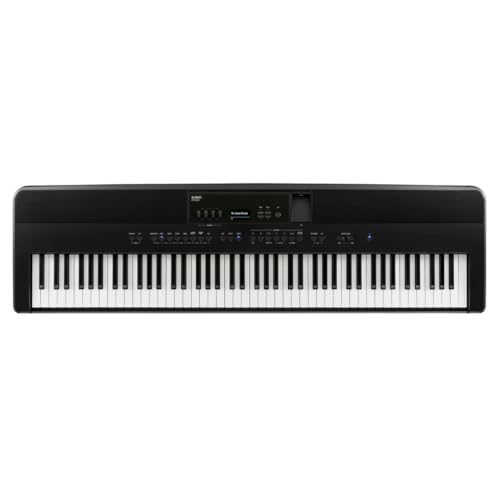
Kawai ES920
Serious pianists who want the best action and sound in a portable before the price of a Kawai console
Read the Kawai ES920 review →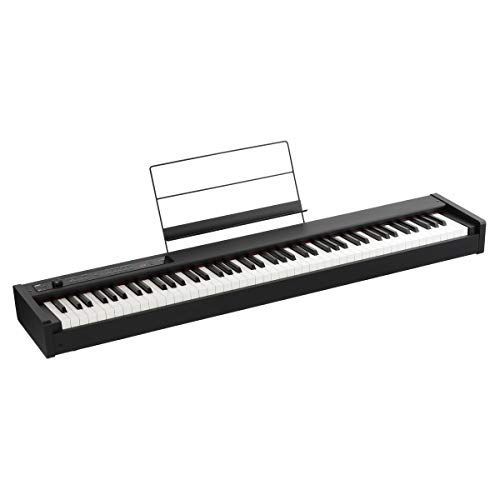
Korg D1
Gigging players and home producers who want Korg's RH3 action without speakers or bulk
Read the Korg D1 review →
Yamaha Arius YDP-184
Serious students and returning adults who want the most capable Arius without stepping up to Clavinova
Read the Yamaha Arius YDP-184 review →Questions Buyers Ask
Yamaha CP88
See the current listing, price and included accessories.
About This Review
Mandrillis Team
The Mandrillis editorial team researches and compares audio and music gear using manufacturer documentation, verified specs and real buyer feedback, so you can make a confident purchase without wading through marketing claims.
Read our full research methodology.