Studio Gear Review
AEA R84 Ribbon Microphone Review: A Listing Data Gap
This listing names an AEA R84 ribbon microphone, but the published feature data describes an unrelated product rather than microphone specifications. This review covers what a ribbon microphone of this type generally offers while flagging that almost nothing about this specific unit is confirmed in the listing itself.
Our Verdict
Research Score 57/100The AEA Ribbon MICS R84, as named in this listing, identifies itself as a ribbon microphone through its title and model name, but the feature data attached to the listing describes an unrelated consumer product rather than any microphone specification. That gap means this review cannot confirm frequency response, polar pattern specifics, sensitivity, weight or included accessories for this unit. What can be said generally is that ribbon microphones are valued for a smooth top end and a naturally figure eight pickup, qualities associated with the AEA name in the wider market. Buyers considering this listing should treat the lack of verified data as a real risk and confirm every specification with the seller before purchase rather than relying on this listing's published content.
Editorial research score based on published specifications and documented features, not a customer rating or lab test.

AEA
AEA R84 Ribbon Microphone
Best for: Buyers who already know they want an AEA R84 ribbon microphone by reputation and are prepared to confirm specifications directly with the seller or manufacturer.
Skip it if: You need a listing with confirmed specifications, included accessories or connection details before you are willing to buy.
Check Price on AmazonWe may earn a commission at no extra cost to you.
Listing verified: November 2026
Who Should Buy It
Buy it if
- Buyers specifically seeking a ribbon microphone by name and willing to verify specs independently
- Engineers who understand ribbon microphone handling and do not need hand holding on basics
- Shoppers comfortable contacting a seller directly to confirm what a sparse listing leaves out
Skip it if
- You need confirmed specifications before making a purchase decision
- You are new to ribbon microphones and want guidance on handling and phantom power risk
- You expect the listing itself to describe the product accurately
Key Specifications
| Type | Ribbon microphone, per the listing title and model name |
| Polar pattern | Not published for this unit in listing; ribbon microphones as a design category are typically figure eight by physical construction |
| Frequency response | Not published in listing |
| Connection | Not published in listing |
| Phantom power | Not published in listing; ribbon microphones generally do not need phantom power and many require it be disabled to avoid damage |
| Max SPL or sensitivity | Not published in listing |
| Controls | Not published in listing |
| Mount and stand | Not published in listing |
| Weight | Not published in listing |
| Included accessories | Not published in listing |
Overview
This listing is titled for an AEA R84 ribbon microphone, priced in the upper mid range tier, but the feature data attached to it does not describe a microphone at all. Instead of specifications, the published bullet describes an unrelated consumer electronics product, which leaves this review with almost no verified detail about the actual unit being sold under this listing.
Taken at face value, the title and model name point to a ribbon microphone, a category of microphone that uses a thin corrugated metal ribbon suspended in a magnetic field to generate signal, rather than a capsule and diaphragm. Ribbon microphones are generally known for a gentle top end rolloff and a warm, natural character, qualities that have made the category popular for broadcast and vintage style recording for decades.
Because the listing's own data does not support that identification with any specifics, this review treats almost every spec field as unconfirmed. What follows describes what a ribbon microphone of this general type typically offers, while being explicit that none of it is verified against this specific listing's published content. Readers evaluating this exact listing should weight that distinction heavily before making a purchase decision.
Sound Quality
Ribbon microphones as a category are known for a smooth, rolled off high end and a warm midrange, the result of how a ribbon element physically responds to air movement compared with a capacitor based condenser capsule. Buyers familiar with the broader ribbon microphone category often choose one specifically to tame harsh sources without heavy equalization.
This listing does not publish any frequency response, sensitivity or self noise figures for the unit being sold, so none of that general category description can be confirmed as applying to this exact microphone. Readers should not assume the typical ribbon sound profile carries over automatically just because the title names a ribbon microphone.
Compared with a solid state condenser such as an Audio-Technica AT2020, a genuine ribbon microphone would typically offer a darker, more forgiving top end rather than the brighter, more detailed capture a condenser provides. Whether this specific listing delivers that character cannot be confirmed from the data published here.
Pickup Pattern and Noise Handling
Ribbon microphones are built around a figure eight polar pattern as a matter of physics, since the ribbon element responds equally to sound arriving from the front and rear while rejecting sound from the sides. That is general knowledge about the ribbon microphone category rather than a confirmed specification from this listing.
A figure eight pattern is useful for recording two sources facing each other, such as an interview or a duet, or for capturing a room's natural ambience from both sides of the microphone. It also means the microphone picks up more of the room than a cardioid design would, which matters in untreated spaces.
No self noise or maximum SPL figures are published in this listing, so the noise handling characteristics of this specific unit cannot be confirmed. General industry knowledge about ribbon microphones does not substitute for a verified specification on a listing that does not provide one, and buyers should keep that distinction in mind before assuming anything.
Build Quality
No weight, body material or dimensions are published in this listing for the item being sold. Ribbon microphones as a category are often built with a more delicate internal element than a condenser or dynamic capsule, which typically calls for careful handling and protective storage, but that general category trait is not confirmed here.
No case, shock mount or any protective accessory is described in the listing. Buyers considering this purchase should ask the seller directly what ships in the box, since ribbon microphones in particular benefit from careful transport given the fragility of the ribbon element itself.
Without any build data published, this review cannot assess fit, finish or durability for this specific listing. That gap sits alongside the unrelated feature bullet as a second reason to treat this listing's documentation with caution, and it is worth raising directly with the seller before any purchase is finalized.
Connectivity and Setup
No connector type, cable or output specification is published in this listing. Ribbon microphones are typically connected through a standard balanced XLR output, but this review cannot confirm that detail applies to the specific unit sold under this listing.
Phantom power is a genuine safety concern with many ribbon microphones, since some older or simpler designs can be damaged if phantom power is accidentally applied. This listing does not state whether the unit includes any internal protection circuitry, so buyers should confirm this directly with the seller before connecting it to any phantom powered input.
Setup guidance cannot be given with confidence here beyond the general caution above. Anyone purchasing this specific listing should request written confirmation of the connector type and phantom power handling before the microphone reaches a session.
Features, Controls and Extras
No switches, pads or filters are described anywhere in this listing's published data. Some ribbon microphones include an internal pad or an output transformer tap for level adjustment, but none of that is confirmed for this specific unit.
The only feature data actually present in the listing describes an unrelated consumer electronics product, which this review does not treat as applicable to the microphone itself. That mismatch is the central issue with this listing and the main reason so many spec fields in this review read as unconfirmed.
Buyers who want to know what features this specific unit actually includes should request accurate documentation from the seller. The published bullet point for this listing does not describe a microphone of any kind, so relying on it would be a mistake.
Use Cases: Vocals, Streaming, Podcasting and Instruments
If this unit performs as a typical ribbon microphone would, likely applications include vocals that benefit from a smoother top end and brass or horn sections where ribbon microphones are a traditional favorite. Guitar amplifiers are another common target, since a darker capture tames the harshness a bright condenser would otherwise pick up.
Streaming and podcasting are possible with a ribbon microphone in principle, since the warm character can suit spoken voice well. The figure eight pattern picks up more room noise than a cardioid dynamic such as a Shure MV7 would in an untreated space, though.
None of these use case recommendations can be confirmed against this specific listing's unverified specifications. They describe what a ribbon microphone of this general type is typically used for, not a tested or documented behavior of this particular unit.
Who Should Buy It
Buyers who already know the AEA R84 by reputation and understand ribbon microphone handling are the clearest audience for this listing. They are also the buyers most likely to be comfortable verifying specifications directly with the seller before purchase.
Anyone new to ribbon microphones, or anyone who wants a listing that accurately documents what they are buying, should treat this specific listing with caution. The mismatch between its title and its published feature data is reason enough to ask questions first.
Alternatives Worth Considering
The Warm Audio WA-44 in this same catalog is another ribbon microphone, and its listing includes specific tonal description and accessory information. That makes it a far easier purchase to evaluate before buying than this one.
For buyers who want a condenser alternative with more consistently published data, the Neumann TLM 103 or an Audio-Technica AT2020 both offer clearly documented specifications. Neither replicates a true ribbon microphone's figure eight pattern or tonal character, but both remove the guesswork this listing leaves in place.
Buyers set on an AEA R84 specifically should look for a listing from a seller that publishes accurate, microphone specific feature data. That alone would allow a far more confident purchase decision than this listing currently supports.
Verdict
This listing identifies an AEA R84 ribbon microphone by name but backs that identification with feature data that describes an unrelated product entirely. That mismatch leaves almost every meaningful specification, from polar pattern specifics to accessories, unconfirmed for this particular unit.
Buyers who still want to proceed should verify every detail directly with the seller first. Anyone who wants a listing they can evaluate on its own published merits should look elsewhere in this catalog, such as the Warm Audio WA-44, for a ribbon microphone with documentation that actually matches the product.
Strengths and Limitations
Strengths
- Identified as a ribbon microphone, a category valued for smooth, natural high frequency rolloff
- AEA is a recognized name specifically associated with ribbon microphone design
- Figure eight style pickup is typical of ribbon construction and useful for dual sided sources
- Upper mid range price tier for a specialty microphone type
Limitations
- The published feature data for this listing does not describe microphone specifications at all
- No frequency response, sensitivity, maximum SPL or weight figures are available
- No accessory, connection or mount information is published
- Buyers cannot verify this specific unit's performance from the listing alone
How We Scored It
Scores reflect published specifications, documented features and value against the alternatives below. They are editorial research scores, not laboratory measurements.
Alternatives to Consider

Beyerdynamic M 160
Recording guitar amplifiers, drum overheads, strings and brass with a smooth, directional ribbon character.
Read the Beyerdynamic M 160 review →
Shure BLX288/SM58 Dual Vocal
Bands, worship teams and event companies that need two dependable wireless SM58 vocal channels in one simple package.
Read the Shure BLX288/SM58 Dual Vocal review →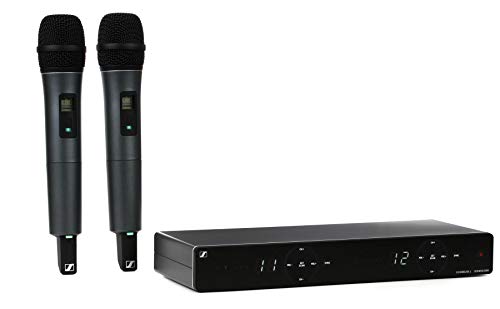
Sennheiser XSW 1-835
Worship teams, schools and gigging duos who want two wireless e835 vocal channels with the simplest possible setup.
Read the Sennheiser XSW 1-835 review →Questions Buyers Ask
AEA R84 Ribbon Microphone
See the current listing, price and included accessories.
About This Review
Mandrillis Team
The Mandrillis editorial team researches and compares audio and music gear using manufacturer documentation, verified specs and real buyer feedback, so you can make a confident purchase without wading through marketing claims.
Read our full research methodology.