Studio Gear Review
Behringer UMC22 Review: Midas Preamp in a Simple Package
The Behringer UMC22 is a 2 in, 2 out USB audio interface with a Midas-designed mic preamp, confirmed TRS monitor outputs, and USB bus power. This research review checks those claims against the resolution, MIDI and build details the listing leaves unpublished.
Our Verdict
Research Score 61/100The Behringer UMC22 centers its appeal on a single, genuinely credible feature: a Midas-designed mic preamp at a budget price, paired with a separate instrument input, confirmed 1/4 inch TRS monitor outputs and USB bus power. Direct Monitor select switching with Status and Signal Clip LEDs adds practical, visible feedback during tracking. The listing's broad DAW compatibility claim, naming Pro Tools, Ableton Live and Cubase, should reassure most buyers about basic software compatibility. What is missing is a stated sample rate, bit depth or MIDI connectivity, along with any build or dimension detail. For a solo musician who wants one solid preamp and a simple, bus-powered setup, the UMC22 is a sound, budget-friendly choice, provided the unpublished specifications do not matter for the intended use.
Editorial research score based on published specifications and documented features, not a customer rating or lab test.

Behringer
Behringer UMC22 USB Audio Interface
Best for: Solo musicians who want one clean Midas-designed preamp plus a separate instrument input, confirmed monitor outputs, and USB bus power without extra adapters.
Skip it if: You need 2 simultaneous microphone inputs or MIDI connectivity, since the UMC22 provides one mic preamp and states no MIDI ports anywhere in the listing.
Check Price on AmazonWe may earn a commission at no extra cost to you.
Listing verified: November 2026
Who Should Buy It
Buy it if
- Solo singer-songwriters tracking vocals and one instrument at a time
- Musicians who want confirmed 1/4 inch TRS outputs to studio monitors
- Buyers who want USB bus power and no separate adapter to carry
- Anyone who wants broad DAW compatibility confirmed before buying
Skip it if
- You need 2 microphone inputs recorded simultaneously
- You require MIDI In and Out for connected hardware
- You need a confirmed sample rate and bit depth before buying
Key Specifications
| Type | 2 in, 2 out USB audio interface with a Midas-designed mic preamp |
| Inputs | A front-panel combo jack accepting balanced XLR, 1/4 inch TRS and unbalanced 1/4 inch TS connections, plus an additional 1/4 inch TRS instrument input |
| Outputs | 2x 1/4 inch TRS output options for direct connection to studio monitors |
| Preamps | 1 Midas-designed mic preamp |
| Resolution | Not published in the feature bullets |
| Phantom power | A +48V phantom power switch is confirmed on the rear panel |
| Connection | USB port for connecting to a computer. The unit is USB-powered, so no separate power adapter is needed |
| Monitoring | A Direct Monitor select switch, Status and Signal Clip LEDs, and a powerful headphone output |
| Bundled software | Not published in listing beyond general DAW compatibility claims, including Avid Pro Tools, Ableton Live and Steinberg Cubase |
| Included accessories | Not published in listing |
Overview
The Behringer UMC22 is a compact USB audio interface built around a single Midas-designed microphone preamp. The listing describes a front-panel combo jack for microphone or line connections, a separate 1/4 inch instrument input, 2 TRS monitor outputs, and USB-supplied power that removes the need for a separate adapter.
Behringer frames this interface as a fast, easy path from a musician's idea into a Mac or Windows computer, with broad compatibility claimed across popular recording software including Pro Tools, Ableton Live and Steinberg Cubase. That breadth of DAW support is a meaningful reassurance for a first-time buyer unsure what software they will end up using.
This review is drawn entirely from the five feature bullets published for this listing. No sample rate, bit depth or MIDI connectivity is stated anywhere in that data, and each of those gaps is flagged directly rather than assumed from similar Behringer models.
Preamps and Sound Quality
The UMC22 carries a single Midas-designed mic preamp, and the listing leans heavily on the Midas name as a mark of quality. Midas has a long history in professional mixing console design, and Behringer has licensed that preamp circuitry across several generations of its budget interface lineup.
No gain range, equivalent input noise or maximum input level is published for this specific preamp. The listing instead describes an ultra-clean pathway to the computer, aimed at solo musicians seeking professional results, which is a general quality claim rather than a measured specification.
With only 1 mic preamp onboard, the UMC22 is built for single-source recording. A separate 1/4 inch TRS instrument input is available alongside it, letting one musician record vocals and an instrument in the same session, though not two microphones at once.
That single-preamp layout keeps the UMC22 focused on the solo songwriter workflow of layering one part at a time, rather than capturing a full band live. Buyers planning ensemble sessions should account for that limit before relying on this interface as their only recording tool.
Inputs, Outputs and Routing
The front panel combo jack accepts balanced XLR, 1/4 inch TRS and unbalanced 1/4 inch TS connections, covering microphones, line-level gear and instruments through a single flexible socket. An additional dedicated 1/4 inch TRS instrument input sits alongside it for a second source.
On the output side, the listing confirms 2x 1/4 inch TRS output options intended for direct connection to studio monitors. That is a more specific output description than many budget interfaces provide, and it gives buyers a clear expectation for cabling their monitor setup.
The rear panel also carries the +48V phantom power switch, separate from the front panel inputs. No insert points, aux sends or MIDI ports are mentioned, so routing on this interface stays simple: 2 inputs captured, and a stereo signal sent out to the confirmed TRS outputs.
Features, Monitoring and Software
Direct Monitor select is the headline monitoring feature, letting a performer hear their input signal without routing through the computer first. Status and Signal Clip LEDs back that up with visual feedback, helping a musician spot gain problems during a take without relying on software meters alone.
A powerful headphone output rounds out the monitoring section, giving a solo musician a dedicated way to listen while tracking. The listing emphasizes this combination of direct monitor switching and clear LED feedback as central to a smooth recording experience.
Together, these monitoring touches address a common frustration for first-time interface buyers: not knowing whether a signal is clipping until it is too late. Visible status lighting catches that problem in the moment, rather than after a take is already ruined.
No bundled software or plugin collection is named, though the listing stresses compatibility with popular DAWs rather than including its own recording application. Buyers should expect to supply their own recording software, since nothing is bundled according to the published bullets.
- 1 Midas-designed mic preamp via a front-panel combo jack
- Separate 1/4 inch TRS instrument input
- 2x 1/4 inch TRS outputs for studio monitors
- Direct Monitor select switch with Status and Signal Clip LEDs
- USB-powered, with +48V phantom power switch on the rear panel
Build, Design and Controls
No chassis material, weight or physical dimensions are published for the UMC22. Behringer's U-Phoria and UMC interface ranges have generally used compact metal-topped enclosures in similarly sized models, though that cannot be confirmed for this specific unit from the available data.
Controls described in the listing include the Direct Monitor select switch, the rear phantom power switch, and whatever gain control manages the combo jack input. Status and Signal Clip LEDs provide the main visual feedback on the front panel.
Because this interface is designed for a solo musician's desk or travel bag, a compact footprint seems likely. Exact measurements are not stated, so available space should be confirmed directly before ordering.
Connectivity, Drivers and Latency
The UMC22 connects over USB, and the listing confirms it draws its power entirely from that connection, removing the need for a separate adapter. That bus-powered design is convenient for musicians who move between a home desk and a mobile recording setup.
No specific USB version or detailed driver requirement is published. The listing's emphasis on seamless integration with popular DAWs suggests broad compatibility, though buyers using less common software should verify support directly before purchasing.
Latency is addressed primarily through the Direct Monitor feature rather than through a published round-trip latency figure. Monitoring the input signal directly bypasses the computer's processing chain, which sidesteps the most common latency complaint for budget interfaces.
Buyers running other USB audio devices alongside the UMC22, such as a webcam or a separate headset, should check how their operating system manages multiple simultaneous audio devices. No companion control panel or routing utility is mentioned in the listing for handling that situation.
Setup and Daily Use
Setting up the UMC22 involves connecting a microphone or instrument to the front combo jack, plugging in a second source through the dedicated instrument input if needed, and connecting the 2 TRS outputs to studio monitors. The USB connection both powers the unit and carries the audio signal.
Daily use benefits from the Direct Monitor switch, which a musician can flip on during tracking to hear themselves without delay. The Status and Signal Clip LEDs offer a quick visual check on gain levels throughout a session.
Because no software is bundled, a new owner needs to install their own DAW before recording anything. The listing's broad compatibility claim should make that step straightforward regardless of which popular software the buyer already uses.
First-time users should expect a brief learning curve around gain staging and the Direct Monitor switch, since both controls behave differently from a laptop's built-in microphone input. Most musicians adapt within a session or two once the basic signal flow becomes familiar.
Who Should Buy It
The UMC22 suits a solo musician who wants one reliable Midas-designed preamp, a separate instrument input, and confirmed monitor outputs, all without carrying a separate power adapter. That combination covers the core needs of a simple home recording setup well.
Buyers who value broad DAW compatibility, confirmed in the listing across several popular recording applications, should find this interface a low-risk choice. That holds regardless of which existing software the buyer already prefers to use.
Anyone needing 2 simultaneous microphone inputs, MIDI connectivity, or a confirmed sample rate before buying should look elsewhere. None of those points are addressed in this listing's published data.
Alternatives Worth Considering
Buyers who want 2 full microphone inputs instead of 1 mic plus 1 instrument input should consider the Behringer U-Phoria UMC204HD. It adds a second Midas combo input and MIDI connectivity within the same general product family.
For a slightly different single-preamp design, the Behringer U-PHORIA UM2 offers a XENYX preamp instead of a Midas one. It also states a 48 kHz resolution figure, giving buyers a more documented alternative within a similar price range.
Buyers who specifically need a confirmed sample rate or bit depth before purchasing should compare this listing against competitors that publish those figures directly. The UMC22's own feature bullets leave that detail open.
Verdict
The Behringer UMC22 delivers a credible, budget-priced Midas preamp alongside a separate instrument input, confirmed TRS monitor outputs, and convenient USB bus power. Direct Monitor switching with clear LED feedback adds real practical value during tracking sessions.
The listing's silence on sample rate, bit depth and MIDI connectivity leaves some technical questions unanswered, and no build or dimension data is provided either. Those gaps matter most to buyers with specific technical requirements rather than casual home recording use.
For a solo musician seeking a simple, reliable single-preamp interface with broad software compatibility, the UMC22 is a sensible, modestly priced pick. That holds as long as the unpublished specifications are acceptable going in.
Strengths and Limitations
Strengths
- Midas-designed mic preamp at a budget price
- 2x 1/4 inch TRS outputs confirmed for direct studio monitor connection
- Direct Monitor select switch with Status and Signal Clip LEDs
- USB-powered, so no separate adapter is needed
- Broad DAW compatibility claimed, including Pro Tools, Ableton Live and Cubase
Limitations
- Only 1 mic preamp; the second input is an instrument jack, not a second microphone channel
- No sample rate or bit depth figure is stated in the feature bullets
- No MIDI ports are mentioned anywhere in the listing
- Build material and physical dimensions are not stated
How We Scored It
Scores reflect published specifications, documented features and value against the alternatives below. They are editorial research scores, not laboratory measurements.
Alternatives to Consider

Pioneer DJ XDJ-RX3
DJs who want club-standard standalone playback from USB with a large touchscreen and a familiar two-channel layout.
Read the Pioneer DJ XDJ-RX3 review →
Yamaha DM3-D 22
Small venues, houses of worship and production companies that want a compact 96 kHz digital console with Dante networking for stage boxes and multitrack recording.
Read the Yamaha DM3-D 22 review →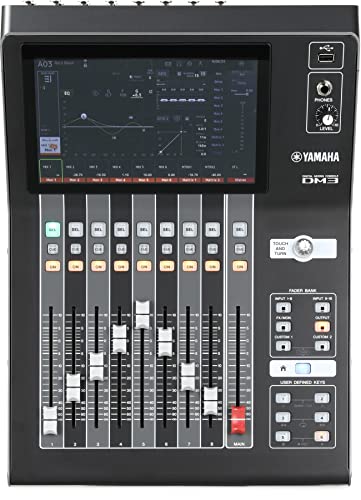
Yamaha DM3
Bands, small venues and project studios that want a compact 96 kHz digital console that doubles as an 18x18 USB recording interface.
Read the Yamaha DM3 review →Questions Buyers Ask
Behringer UMC22 USB Audio Interface
See the current listing, price and included accessories.
About This Review
Mandrillis Team
The Mandrillis editorial team researches and compares audio and music gear using manufacturer documentation, verified specs and real buyer feedback, so you can make a confident purchase without wading through marketing claims.
Read our full research methodology.