Studio Gear Review
Neumann U87Ai Review: The Studio Microphone Classic
The Neumann U87Ai Set Z is a variable large-diaphragm condenser offering three selectable polar patterns and a balanced frequency response. Long regarded as the studio microphone classic, it carries a premium price without a fully documented numeric spec sheet in this listing.
Our Verdict
Research Score 87/100The Neumann U87Ai, sold here in the Set Z configuration, is widely regarded as the studio microphone classic, a reputation built over decades of professional use across vocals, instruments and broadcast work. Three selectable polar patterns, omni, cardioid and figure-8, give it genuine versatility across different recording situations, while the listing describes a balanced frequency response aimed at classic, instantly recognizable sound. No numeric frequency response curve, SPL rating or self-noise figure is published in this listing, so buyers are relying on Neumann's reputation and decades of professional use rather than a documented spec sheet from this listing. That reliance on reputation is a reasonable trade given how consistently this model has performed. For a studio investing in one long-term flagship microphone, the U87Ai remains a defensible, if expensive, choice.
Editorial research score based on published specifications and documented features, not a customer rating or lab test.

Neumann
Neumann U 87 Ai Set Z Condenser Microphone
Best for: Professional studios and serious home studios that want a documented industry-standard multi-pattern condenser for vocals and instruments.
Skip it if: You need a documented numeric frequency response before buying, or you are working with a tight budget that cannot support a premium microphone.
Check Price on AmazonWe may earn a commission at no extra cost to you.
Listing verified: November 2026
Who Should Buy It
Buy it if
- Professional studios wanting an industry-standard main vocal microphone
- Serious home studio owners investing in one long-term flagship condenser
- Engineers who need multiple polar patterns for different sources in one microphone
- Buyers who value reputation and versatility over a fully documented spec sheet
Skip it if
- You need a documented numeric frequency response or self-noise figure before buying
- You only need a single fixed cardioid pattern rather than three options
- Your budget is better served by a lower-cost condenser microphone
Key Specifications
| Type | Variable large-diaphragm condenser microphone |
| Polar pattern | Three selectable patterns: omnidirectional, cardioid and figure-8 |
| Frequency response | Not published as a numeric curve in listing; the listing describes it as balanced |
| Connection | Not published in listing; large-diaphragm studio condensers of this class standardly use a balanced XLR output, though the bullets do not confirm the connector directly |
| Phantom power | Not published as a voltage figure in listing; a variable large-diaphragm condenser of this kind typically needs external phantom power to operate |
| Max SPL or sensitivity | Not published in listing |
| Controls | A pattern-select control is implied by the three selectable polar patterns, though the listing does not describe the switch itself in detail |
| Mount and stand | Not published in listing |
| Weight | Not published in listing |
| Included accessories | Not published in listing |
Overview
The Neumann U87Ai is widely described as the studio microphone classic, and this listing covers the Set Z configuration of that long-running model. Neumann frames it as a variable large-diaphragm microphone with a classic, instantly recognizable sound that still stays versatile across many recording situations and genres.
Three polar patterns headline the feature list: omnidirectional, cardioid and figure-8. That selection lets one microphone cover vocal sessions, instrument recording and even stereo or ambient capture techniques without switching to a different model for each new task. Few single microphones in any price range offer that same breadth of application.
Neumann also describes a balanced frequency response, language meant to suggest even, natural tonal behavior rather than an exaggerated boost in any particular range. No numeric frequency response chart accompanies that description in this listing, so buyers are asked to take the claim largely on reputation.
Sound Quality
The listing describes a classic, instantly recognizable sound, a claim that rests heavily on the U87Ai's decades-long reputation across professional studios worldwide. That reputation is well documented across the industry generally, even though this specific listing does not publish a frequency response curve or self-noise figure. Countless professional recordings across genres have relied on this general microphone family over the decades, which is part of why the name alone carries real weight.
A balanced frequency response is named directly in the bullets, suggesting the microphone avoids strong coloration in favor of a more neutral, even capture. Buyers should treat that description as Neumann's own framing rather than a measured, independently verified result from this listing.
Buyers comparing the U87Ai against other large-diaphragm studio condensers, such as an Audio-Technica AT2020 or a Rode NT1, are really comparing an industry reference point against far more affordable alternatives. This review does not state exact matching specification numbers between any of these models, since this listing itself does not publish them. The comparison is better understood as a difference in reputation, build history and overall price tier than as any kind of numeric showdown between competing spec sheets. Many engineers keep a budget condenser on hand specifically because it frees them from worrying about damaging a flagship microphone during a difficult session.
Pickup Pattern and Noise Handling
Three selectable polar patterns, omnidirectional, cardioid and figure-8, are confirmed directly in the listing. That range gives an engineer the flexibility to choose the best pattern for a given source, room, or recording technique without needing three separate microphones.
A cardioid setting would typically be chosen for standard vocal or instrument isolation, rejecting sound from the rear in a similar way to most dedicated studio condensers. Figure-8 is generally useful for techniques that intentionally capture two sources from opposite sides, such as certain stereo recording methods or a two-person interview setup facing each other across the capsule. Switching between these settings on one microphone saves the cost and hassle of owning several dedicated units.
Omnidirectional mode, by contrast, picks up sound from all directions, useful for capturing room ambience or multiple sources at once rather than isolating one. No numeric polar pattern chart is published here, so the exact rejection characteristics of each setting are not confirmed by this specific listing. Engineers typically learn these behaviors through many repeated sessions with the model rather than from any published chart alone.
Build Quality
No housing material, weight or exact dimensions are published in this listing, so the physical build cannot be confirmed from the data provided here. The U87Ai line generally carries a reputation for solid, professional construction across the broader market, independent of this specific listing's limited bullets.
The Set Z designation in the listing title suggests a specific configuration or finish, though the bullets themselves do not clarify exactly what distinguishes this set from other U87Ai listings. Buyers wanting that detail should look for additional documentation beyond what is provided here. Confirming the exact contents of this particular set before purchase is a reasonable extra step given the price involved.
This is a premium microphone aimed at professional and serious home studios. Buyers should expect the kind of build quality associated with a flagship model, even though this particular listing does not spell out specific construction details for this exact unit.
- Variable large-diaphragm capsule design
- Three polar patterns: omni, cardioid, figure-8
- Housing material and weight not published in listing
- Set Z configuration named in the listing title
Connectivity and Setup
No connector type is stated directly in the bullets. A large-diaphragm studio condenser of this caliber standardly uses a balanced XLR output to connect to a mixer, preamp or audio interface, consistent with how nearly every microphone in this category operates.
Phantom power is not given a specific voltage figure in this listing. A variable condenser design of this kind normally requires external phantom power to operate its internal electronics and pattern-switching circuitry, since the capsule cannot function on its own.
Setup in a studio context typically involves mounting the microphone in a shock mount and connecting it by XLR to a quality preamp. The engineer then selects the appropriate polar pattern for the source being recorded, though no shock mount or stand is confirmed as included in this particular listing.
Features, Controls and Extras
The three selectable polar patterns stand as the U87Ai's defining feature, giving engineers flexibility that a fixed-pattern condenser cannot match. That versatility is a major reason the model has remained in continuous professional use for so many decades.
The listing's language around classic, recognizable sound functions as a feature claim in itself. It trades on Neumann's long reputation rather than any specific onboard control or switch described in these particular bullets.
Beyond the pattern selection, no additional onboard controls, such as a pad or a low-frequency filter, are mentioned in this listing. Buyers wanting that information should consult Neumann's full documentation rather than relying solely on these five feature bullets. A microphone at this price point is often paired with outboard processing anyway, which reduces how much onboard control actually matters in practice.
Use Cases: Vocals, Streaming, Podcasting and Instruments
Vocal recording is the most obvious use case for a microphone with this reputation. The balanced frequency response combined with cardioid mode makes it a natural fit for lead and backing vocal sessions in a professional studio.
Instrument recording benefits from the same pattern flexibility. Engineers can switch between cardioid for close isolation and figure-8 or omni for room-capture techniques on acoustic instruments or ensembles, all without changing microphones mid-session.
Podcasting and streaming are not named in the bullets. The U87Ai could technically serve in that role, but its premium price and studio-oriented reputation make it a poor value match for a typical desktop podcasting setup.
Who Should Buy It
Professional studios that want an industry-standard main vocal microphone are the clearest fit for the U87Ai. Its decades of continuous professional use and broad recognition across the recording industry support that role.
Serious home studio owners making a long-term investment in one flagship condenser should also consider it. A single microphone that covers vocals, instruments and varied recording techniques through its three patterns can justify the cost over time.
Engineers who specifically need multiple polar patterns in one microphone, rather than buying several fixed-pattern models, will find real practical value here. That holds true even without a fully documented spec sheet in this particular listing.
Alternatives Worth Considering
Buyers on a tighter budget who still want a large-diaphragm condenser with a strong reputation should consider something like the Audio-Technica AT2020 instead. This review does not state exact matching specification numbers between the two microphones, so any comparison stays reputational rather than numeric.
Those who want ultra-low self-noise as a specifically marketed selling point might compare against a model like the Rode NT1 instead. Neither this listing nor this review publishes matching figures for a direct comparison between the two microphones at this time.
Buyers who only need a single fixed cardioid pattern, rather than the flexibility of three selectable patterns, could consider a simpler, less expensive condenser instead. The savings could then be redirected elsewhere in a studio build, toward acoustic treatment or a better preamp, for example.
Verdict
The Neumann U87Ai Set Z carries one of the strongest reputations in professional audio. It is built on three selectable polar patterns, a balanced frequency response, and decades of continuous use across studios worldwide.
This specific listing does not publish numeric frequency response, SPL or self-noise figures. Buyers are trusting that broader reputation rather than a documented spec sheet from the listing itself, a trade that remains reasonable given the model's long track record.
Few other microphones in any price range carry the same weight of professional endorsement. That continued endorsement helps justify the U87Ai's position near the top of many studio equipment lists, year after year.
Strengths and Limitations
Strengths
- Three selectable polar patterns: omni, cardioid and figure-8
- Balanced frequency response described in the listing
- Long-standing reputation as a studio microphone classic
- Classic, instantly recognizable sound described as versatile
- Variable large-diaphragm design suited to many sources
Limitations
- No numeric frequency response, SPL or self-noise figures published
- No connector type or phantom power voltage confirmed in the bullets
- No accessories, shock mount or case confirmed as included
- Premium price without a full documented spec sheet in this listing
How We Scored It
Scores reflect published specifications, documented features and value against the alternatives below. They are editorial research scores, not laboratory measurements.
Alternatives to Consider

Beyerdynamic M 160
Recording guitar amplifiers, drum overheads, strings and brass with a smooth, directional ribbon character.
Read the Beyerdynamic M 160 review →
Shure BLX288/SM58 Dual Vocal
Bands, worship teams and event companies that need two dependable wireless SM58 vocal channels in one simple package.
Read the Shure BLX288/SM58 Dual Vocal review →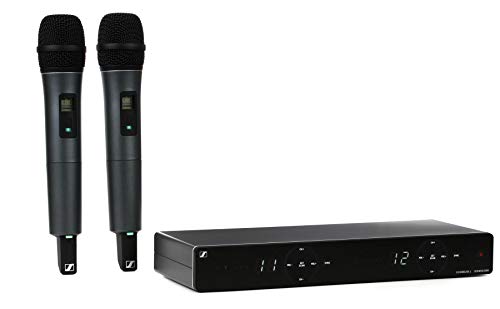
Sennheiser XSW 1-835
Worship teams, schools and gigging duos who want two wireless e835 vocal channels with the simplest possible setup.
Read the Sennheiser XSW 1-835 review →Questions Buyers Ask
Neumann U 87 Ai Set Z Condenser Microphone
See the current listing, price and included accessories.
About This Review
Mandrillis Team
The Mandrillis editorial team researches and compares audio and music gear using manufacturer documentation, verified specs and real buyer feedback, so you can make a confident purchase without wading through marketing claims.
Read our full research methodology.