Studio Gear Review
Audio-Technica AT-UMX3 Review: Loopback Streaming Mixer
The Audio-Technica AT-UMX3 is a compact USB-C mixer built around one combo mic input, 48V phantom power, two line inputs and a loopback function for streaming. This research review covers its single-input limitation, unpublished preamp gain and strong plug-and-play connectivity.
Our Verdict
Research Score 58/100The Audio-Technica AT-UMX3 is a tightly focused desktop mixer built for one job: letting a single streamer blend a microphone or instrument with computer audio and send the combined mix back out through loopback. The 48V phantom power, 24-bit, 192kHz resolution and plug-and-play USB-C connection are all confirmed in the listing, and together they cover the core needs of solo streaming and light podcasting. The single combo input is the clear ceiling, since co-hosted shows or multiple microphones push beyond what this unit offers. Preamp gain, headphone monitoring and bundled software are not published, so buyers planning anything more ambitious than one voice plus backing audio should look at a larger interface instead.
Editorial research score based on published specifications and documented features, not a customer rating or lab test.
Audio-Technica
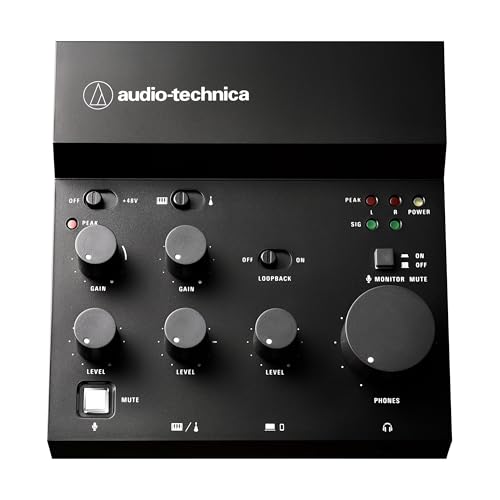
Audio-Technica AT-UMX3 USB Desktop Mixer
Best for: Solo streamers and podcasters who want to loop game audio, music or call audio under one microphone and send the full mix back to a computer.
Skip it if: You need two or more simultaneous microphone inputs for co-hosted shows, since the listing describes only one combo input.
Check Price on AmazonWe may earn a commission at no extra cost to you.
Listing verified: November 2026
Who Should Buy It
Buy it if
- Solo streamers who want to blend game or music audio under a single microphone
- Podcasters recording one host with light guitar or keyboard accompaniment
- Mobile content creators who need a plug-and-play USB-C connection to a phone or tablet
- Buyers who want 24-bit, 192kHz resolution without installing drivers
Skip it if
- You need two or more simultaneous microphone inputs for co-hosts or guests
- You require confirmed headphone monitoring before you buy
- You want recording software bundled with the hardware
Key Specifications
| Type | Compact USB desktop digital mixer aimed at livestreaming and desktop audio production, with 2 channels and 2 bus outputs |
| Inputs | 1 combo mic or instrument input on a Neutrik XLR or 6.3mm jack, plus 2 dedicated line inputs for guitar and keyboard, plus a USB-C input from a connected computer or mobile device |
| Outputs | 2 bus outputs for the mixed signal (exact connector type not published in listing) |
| Preamps | 1 mic or instrument preamp on the combo input (gain figure not published in listing) |
| Resolution | Up to 24-bit, 192kHz on the onboard A/D converter, per the listing |
| Phantom power | Yes, 48V, confirmed in the listing title for the combo input |
| Connection | USB-C, described as plug-and-play with no special drivers required, compatible with a computer or a mobile device |
| Monitoring | Not published in listing beyond the loopback function used for streaming playback |
| Bundled software | Not published in listing |
| Included accessories | Not published in listing |
Overview
The Audio-Technica AT-UMX3 is a compact USB desktop mixer built for livestreaming and basic desktop audio production. It centers on a single combo input, two dedicated line inputs for guitar or keyboard and a USB-C connection, all routed through digital circuitry that the listing promotes as plug-and-play. The headline feature is a loopback function, which lets a user combine their own voice or instrument with audio already playing on the connected computer and push the blended mix back out for streaming.
Audio-Technica is better known for microphones and headphones than for mixers, so the AT-UMX3 reads as a focused entry into the compact streaming category rather than a broad interface line. The listing frames it as a tool for desktop audio production, which fits a solo streamer or podcaster more than a multi-person studio setup.
This is a research review built from the published listing rather than direct use of the hardware. Several details that buyers typically want, including preamp gain, headphone monitoring and bundled software, are not stated anywhere in the listing, and each gap is flagged in the relevant section below rather than filled in with a guess.
Preamps and Sound Quality
The AT-UMX3 carries a single mic or instrument preamp on its combo input, accepting either an XLR microphone or a 6.3mm instrument jack. The listing title confirms 48V phantom power on that input, which is the detail that matters most for anyone planning to run a condenser microphone, since without it a studio-style mic simply will not produce usable output.
No gain range in decibels or equivalent input noise figure appears anywhere in the listing, so the preamp cannot be compared numerically against named reference units. What is stated is the A/D converter resolution, described as high-performance and capable of up to 24-bit, 192kHz, which on paper gives the signal path more headroom for detail than many budget units in this size class.
Because there is only one preamp, sound quality for this unit really comes down to how clean that single channel is, and the listing leans on general language rather than a measured specification to describe it. Buyers who need two matched preamps for stereo miking or a two-person interview should treat this as a single-voice tool rather than a small studio channel strip.
Inputs, Outputs and Routing
Input count is modest but clearly defined: one combo mic or instrument jack, two dedicated line inputs described as suited to guitar and keyboard, and a USB-C connection that doubles as the computer or mobile device input. That gives three analog-style sources plus the digital return from loopback, which is a sensible spread for a single desktop performer layering an instrument under their voice.
On the output side, the listing states two bus outputs without naming the connector type, so whether those are quarter-inch, RCA or something else is left open. For a unit this size, a stereo pair feeding powered speakers or a headphone amplifier would be the expected arrangement, but that remains an assumption rather than a confirmed fact.
Routing is built around the loopback concept rather than traditional aux sends or subgroups. Audio arriving over USB-C from the computer can be blended with the mic and line inputs and then returned to the computer as a single stream, which is the mechanism streaming software depends on to capture game audio, music and voice together without a second piece of software handling the mix.
Features, Monitoring and Software
Loopback is the defining feature of the AT-UMX3, and it solves a specific problem for streamers: mixing microphone or instrument audio with sounds already playing on the computer, such as a game, a call or background music, and sending that combined signal back to the computer as one feed. Without a hardware loopback path, streamers typically need extra virtual audio routing software to achieve the same result.
The A/D converter's stated 24-bit, 192kHz ceiling is a genuine feature for a unit at this size and price, since many entry-level streaming mixers cap out lower. Whether that full resolution is practical for voice-focused streaming is a separate question, but it does give the unit more conversion headroom than its footprint might suggest.
Beyond loopback and resolution, the listing is quiet. No headphone monitoring path, no companion app and no bundled recording or streaming software are mentioned, which means a buyer should plan to pair this mixer with their own streaming software and should not expect a monitor mix feature built in.
- Loopback function for streaming mic and computer audio together
- 48V phantom power on the combo input
- Up to 24-bit, 192kHz A/D resolution
- USB-C, plug-and-play connection
Build, Design and Controls
Chassis material, weight and physical dimensions are not published in the listing, which leaves a gap for anyone planning exactly where this mixer will sit on a desk. Given the modest input count, a compact footprint is reasonable to expect, but that expectation is not a confirmed specification.
Control layout can only be inferred from the described inputs: a gain or level control for the combo input, separate level controls for the two line inputs, and some form of loopback engagement, likely a dedicated button or switch given how central that function is to the product. The listing does not itemize knobs, switches or LED indicators.
For a desktop mixer aimed at streamers, physical build quality matters less than it would for a touring console, since the unit is unlikely to be transported often. Still, the absence of published weight or materials means buyers cannot verify durability claims before ordering.
Connectivity, Drivers and Latency
USB-C is the sole digital connection described, and the listing explicitly calls out plug-and-play operation with no special drivers required, for either a computer or a mobile device. That is a meaningful convenience claim, since many budget audio devices still require a driver download on Windows before they behave correctly.
Because no drivers are involved, native operating system audio handling takes over, which generally keeps latency low for simple voice and loopback use, though the listing does not publish an exact latency figure. Streamers running demanding software alongside the mixer should still test their own setup, since overall system load affects perceived latency more than the interface itself in most cases.
Mobile device compatibility over USB-C is worth noting separately, since it opens the door to phone or tablet based streaming setups that a traditional USB-A interface would need an adapter to support.
Setup and Daily Use
Setup follows the plug-and-play promise: connect the combo input microphone or instrument, plug in the USB-C cable to a computer or mobile device, and the unit should appear as an audio device without a driver installation step. Line inputs for guitar or keyboard connect in parallel for a one-person band or accompanied vocal setup.
Daily use centers on the loopback control, since that is the feature doing the real work of blending voice, instrument and computer audio into one stream for a streaming platform or recording software. Because the listing does not describe a headphone monitoring path, users will likely rely on their computer's own output for monitoring rather than a dedicated control on the mixer.
Switching between a desktop computer and a mobile device should be straightforward given the stated plug-and-play support on both, which suits a creator who streams from a laptop at a desk one day and from a phone on the move the next.
Who Should Buy It
The Audio-Technica AT-UMX3 fits a solo streamer or podcaster whose main job is blending one microphone with computer audio, whether that is game sound, music or a call, and sending the result back out through loopback. The two line inputs make it workable for someone who occasionally adds a guitar or keyboard under their voice as well.
It is a weaker match for anyone running co-hosted shows with two or more microphones, since the single combo input caps the unit at one voice at a time. Buyers who need confirmed headphone monitoring or bundled recording software before committing should also look elsewhere, since neither is described in this listing.
Alternatives Worth Considering
A compact two-input interface such as a Focusrite Scarlett 2i2 style unit offers two full mic preamps rather than one, which suits a two-person interview or a stereo instrument setup better than the single-input AT-UMX3, though exact specifications for that comparison model are not restated here.
Buyers focused specifically on loopback style streaming might also compare dedicated USB mixers from other brands that advertise a similar mix-minus or loopback function, since that single feature is often the deciding factor between otherwise similar compact units.
For anyone who outgrows the single input, a small multi-channel mixer with its own USB output, similar to the analog Behringer and Yamaha units covered elsewhere in this batch, trades the dedicated loopback convenience for more simultaneous microphone inputs.
Verdict
The Audio-Technica AT-UMX3 does one job cleanly: it gives a solo streamer a single phantom-powered input, two line inputs and a loopback path for blending computer audio into the mix, all over a plug-and-play USB-C connection with no drivers stated.
Unpublished preamp gain, monitoring and software details hold the score to the budget tier, and the single input limits it to one performer at a time, but for that specific use case the feature set is coherent and the connectivity claims are genuinely useful.
Strengths and Limitations
Strengths
- Loopback function mixes a microphone or instrument with computer audio for streaming
- 48V phantom power on the combo input for condenser microphones
- Up to 24-bit, 192kHz resolution on the A/D converter
- Plug-and-play USB-C connection with no special drivers stated
- Works with a computer or a mobile device for on-the-go setups
Limitations
- Only one mic or instrument input, so multi-guest podcasting needs extra hardware
- Preamp gain figure and bus output connector type are not published
- No stated headphone monitoring controls or dedicated monitor mix
- Bundled software and included accessories are not described
- Chassis material and dimensions are not published
How We Scored It
Scores reflect published specifications, documented features and value against the alternatives below. They are editorial research scores, not laboratory measurements.
Alternatives to Consider

Pioneer DJ XDJ-RX3
DJs who want club-standard standalone playback from USB with a large touchscreen and a familiar two-channel layout.
Read the Pioneer DJ XDJ-RX3 review →
Yamaha DM3-D 22
Small venues, houses of worship and production companies that want a compact 96 kHz digital console with Dante networking for stage boxes and multitrack recording.
Read the Yamaha DM3-D 22 review →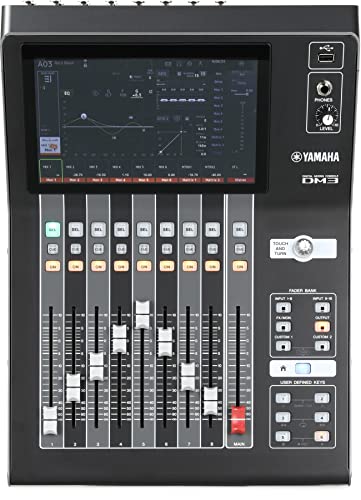
Yamaha DM3
Bands, small venues and project studios that want a compact 96 kHz digital console that doubles as an 18x18 USB recording interface.
Read the Yamaha DM3 review →Questions Buyers Ask
Audio-Technica AT-UMX3 USB Desktop Mixer
See the current listing, price and included accessories.
About This Review
Mandrillis Team
The Mandrillis editorial team researches and compares audio and music gear using manufacturer documentation, verified specs and real buyer feedback, so you can make a confident purchase without wading through marketing claims.
Read our full research methodology.