Studio Gear Review
Behringer ADA8200 Review: 8 Midas Preamps, ADAT
The Behringer ADA8200 is an 8-channel mic preamplifier with Midas-designed preamps and 24-bit AD/DA conversion that reaches a computer only through a separate ADAT-equipped interface. This research review explains what that connection requirement means in practice and what the listing leaves unpublished.
Our Verdict
Research Score 50/100The Behringer ADA8200 is not a standalone computer audio interface, and that distinction matters more than any other fact in this review. It is an 8-channel mic preamplifier with Midas-designed preamps and 24-bit AD/DA conversion at 44.1 or 48kHz, expanding into a system through ADAT optical output rather than a direct USB connection. For a studio that already owns an interface with a free ADAT input, this is an economical way to add eight more preamp channels with a respected preamp name behind them. For anyone expecting a plug-and-play USB box, it is the wrong product. Phantom power, exact preamp gain and analog output connector details are all left unpublished, which, combined with the connection requirement, keeps the score toward the lower end of this batch.
Editorial research score based on published specifications and documented features, not a customer rating or lab test.

Behringer
Behringer ADA8200 ADAT Audio Interface
Best for: Studios that already own an interface with an ADAT input and want to add eight Midas-designed preamp channels cheaply.
Skip it if: You need a single box that connects directly to a computer over USB, since this unit requires a separate ADAT-equipped interface to reach a computer at all.
Check Price on AmazonWe may earn a commission at no extra cost to you.
Listing verified: November 2026
Who Should Buy It
Buy it if
- Owners of an interface with a free ADAT input who want to add eight more preamp channels
- Home studios recording drums or small ensembles that need many mic inputs cheaply
- Buyers comparing Midas-branded preamp designs at a lower price than a full console
- Anyone building a modular, expandable recording rig rather than a single all-in-one box
Skip it if
- You do not already own, or plan to buy, an ADAT-equipped audio interface
- You need a confirmed phantom power specification before buying
- You want a single USB connection directly to a computer
Key Specifications
| Type | 8-channel microphone preamplifier and AD/DA converter with ADAT optical output; no direct USB or computer connection is stated |
| Inputs | 8 analog inputs with Midas-designed mic preamplifiers (combo XLR/line detail not specified in listing) |
| Outputs | 8 channels carried out over ADAT optical digital output (separate analog output connectors not detailed in listing) |
| Preamps | 8 Midas-designed mic preamplifiers (gain in decibels not published in listing) |
| Resolution | 24-bit AD/DA conversion at 44.1 or 48kHz |
| Phantom power | Not published in listing |
| Connection | ADAT optical output; requires a separate audio interface or recorder with a matching ADAT input, no direct USB connection stated |
| Monitoring | Not published in listing |
| Bundled software | Not published in listing |
| Included accessories | Not published in listing beyond the unit itself |
Overview
The Behringer ADA8200 is built around a specific job: taking eight microphone or line signals, running them through Midas-designed preamps, and converting them to digital audio at 24-bit resolution before sending them out over a single ADAT optical cable. The listing's own title describes it as an 8 in, 8 out ADAT audio interface, which is the clearest statement of its channel count.
This is not a plug-and-play USB interface. The feature bullets focus on the preamp and conversion stage, physical dimensions and weight, rather than any direct computer connection, and no USB port is mentioned anywhere in the listing's published data.
Buyers report that units like this are typically paired with a separate audio interface or digital mixer that has a free ADAT input, letting the combined pair deliver far more mic channels than either device alone. Anyone considering the Behringer ADA8200 should confirm they already have, or plan to buy, that second piece of hardware before ordering. Treating this as a preamp and conversion expander, rather than a complete interface, is the single most important mindset shift for a buyer new to ADAT-based workflows.
Preamps and Sound Quality
Midas-designed mic preamplifiers are named directly in the listing title, which carries real weight given Midas's standing reputation for console preamp design in professional live sound. The feature bullets themselves do not restate this preamp name, but it remains part of the published listing data for this product.
No gain figure in decibels is published for these preamps, so buyers cannot compare headroom numerically against named reference interfaces or against other Midas-branded products. General knowledge about Midas's console preamp designs suggests a clean, controlled sound, though that remains general reputation rather than a number confirmed in this specific listing.
Eight preamp channels at once is a substantial count for a unit at this price, suggesting the design prioritizes channel density over any single flagship specification. For a studio recording a full drum kit or a small ensemble, that channel count can matter more in practice than a marginally higher gain figure on fewer channels. Buyers comparing this unit against a smaller two or four channel preamp box should weigh that density advantage against the fact that no individual channel's gain or noise figure is confirmed in writing here.
Inputs, Outputs and Routing
Eight analog inputs are confirmed by the listing title's 8 in, 8 out description, each running through one of the Midas-designed preamps before conversion. The feature bullets do not specify whether these are combo XLR and line jacks or XLR-only, so buyers needing to run line-level sources directly should confirm that detail separately.
Output routing happens entirely over the ADAT optical connection, which carries all eight converted channels digitally to a compatible interface or digital mixer. The listing does not describe any separate analog output connectors on the unit itself, so a monitor feed or a backup analog path is not confirmed as available.
Because ADAT is a fixed-channel digital protocol, routing flexibility depends almost entirely on whatever interface or mixer receives the signal at the other end of the cable, rather than on the Behringer ADA8200 itself, which functions here as a preamp and conversion front end rather than a full routing hub.
Features, Monitoring and Software
The published feature list for the Behringer ADA8200 is notably narrow compared with other products in this batch, focused almost entirely on the preamp count, conversion resolution and physical dimensions rather than any onboard processing or software.
No DSP effects, monitoring mix controls, or companion app are mentioned anywhere in the listing, which is consistent with its role as a preamp and conversion expander rather than a full-featured interface aimed at a solo user's complete workflow.
Buyers who want onboard effects, loopback routing or app-based control should look elsewhere in this batch, since none of those features appear to apply to this product based on the published data. That narrow focus is consistent with the role this unit plays in a larger system, where the more feature-rich control surface typically lives on the receiving interface or mixer rather than on this preamp expander.
Build, Design and Controls
The listing provides more physical detail here than for several other products in this batch: dimensions of roughly 21 by 12 by 4.5 inches and a weight just under 6.4 pounds, which together suggest a rack-mountable unit rather than a small desktop box.
No specific statement about chassis material, such as metal or plastic, appears in the listing, though the stated weight is consistent with a reasonably substantial metal enclosure typical of rack gear in this category.
Control layout is not detailed beyond the implied presence of eight gain controls for the preamps. A dedicated control for each of eight channels would be expected on a unit like this, though the listing does not confirm knob count, metering type, or switch layout. Buyers who want per-channel LED level indicators or a specific style of gain knob should verify that detail through Behringer's own product documentation rather than this listing.
Connectivity, Drivers and Latency
ADAT optical is the sole connection method described in the listing, which moves digital audio to a separate device rather than connecting directly to a computer. No USB port, Bluetooth, or other computer-facing connection appears anywhere in the published data for this unit.
This connection method has real implications for compatibility. A buyer needs a receiving device, typically an audio interface or digital mixer, with a free ADAT input that supports the same channel count and sample rate before the Behringer ADA8200 can reach a computer at all.
Because there is no direct USB link, there are no drivers to install for this unit specifically, and any latency in the signal chain would be governed by whatever interface receives the ADAT signal rather than by this preamp expander itself.
Setup and Daily Use
Setup starts with confirming ADAT compatibility on the receiving interface or mixer, connecting a single optical cable between the two devices, and matching sample rate settings on both ends before the eight channels will appear correctly in a recording application.
Daily use after that initial setup should be straightforward, since the unit's main job is converting eight analog signals to digital audio consistently each session. The listing does not describe any session-to-session settings beyond gain, so recall and workflow details will largely depend on the receiving interface rather than this expander. Once sample rates are matched and levels are set, most studios report that an ADAT expander like this becomes a fixed, rarely-touched part of the rig rather than something adjusted every session.
Who Should Buy It
The Behringer ADA8200 suits a studio that already owns, or is budgeting for, a separate ADAT-equipped audio interface and simply needs more microphone preamp channels than that interface provides on its own, such as for recording a full drum kit or a small live ensemble.
It is not a fit for a buyer who wants a single box that plugs directly into a computer over USB, since no such connection is described anywhere in the listing's published specifications. A first-time buyer unfamiliar with ADAT workflows should research that protocol before purchasing to avoid an unpleasant surprise after the unit arrives.
Alternatives Worth Considering
A standalone multi-input USB interface, such as a Behringer UMC-series model, is a more direct comparison for a buyer who specifically needs computer connectivity without an intermediate ADAT-equipped device in the signal chain.
The PreSonus AudioBox series, covered elsewhere in this batch, offers a simpler two-channel USB interface for buyers who do not need eight simultaneous preamp channels and prefer a single connected box rather than a two-piece ADAT-based system.
For studios already invested in an ADAT workflow, other ADAT preamp expanders exist across several brands, and comparing published preamp gain figures directly, where available, would help differentiate this unit from its closest competitors.
Verdict
The Behringer ADA8200 delivers eight Midas-designed mic preamp channels and 24-bit AD/DA conversion through a single ADAT optical connection, which is a meaningful specification for the right buyer but a hard requirement that rules out anyone wanting a direct USB connection.
Unpublished phantom power, preamp gain and analog output details, combined with the mandatory second device needed to reach a computer, keep this unit's score toward the lower end of the range covered in this review batch.
Strengths and Limitations
Strengths
- 8 Midas-designed mic preamplifiers across all channels
- 24-bit AD/DA conversion at 44.1 or 48kHz
- 8 in, 8 out per the listing title, a high channel count for the price tier
- ADAT optical output expands channel count on a compatible interface
Limitations
- No direct USB or computer connection; a separate ADAT-equipped interface is required
- Phantom power is not confirmed anywhere in the listing
- Exact preamp gain in decibels is not published
- Analog output connector details beyond the ADAT digital output are not described
- No bundled software or control app is mentioned
How We Scored It
Scores reflect published specifications, documented features and value against the alternatives below. They are editorial research scores, not laboratory measurements.
Alternatives to Consider

Pioneer DJ XDJ-RX3
DJs who want club-standard standalone playback from USB with a large touchscreen and a familiar two-channel layout.
Read the Pioneer DJ XDJ-RX3 review →
Yamaha DM3-D 22
Small venues, houses of worship and production companies that want a compact 96 kHz digital console with Dante networking for stage boxes and multitrack recording.
Read the Yamaha DM3-D 22 review →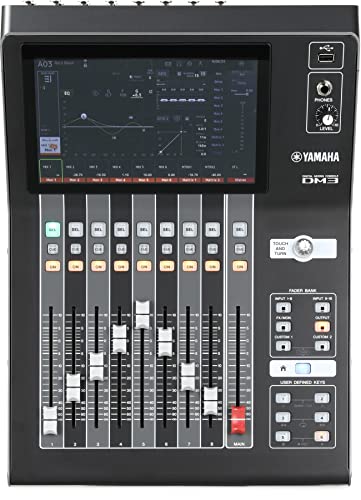
Yamaha DM3
Bands, small venues and project studios that want a compact 96 kHz digital console that doubles as an 18x18 USB recording interface.
Read the Yamaha DM3 review →Questions Buyers Ask
Behringer ADA8200 ADAT Audio Interface
See the current listing, price and included accessories.
About This Review
Mandrillis Team
The Mandrillis editorial team researches and compares audio and music gear using manufacturer documentation, verified specs and real buyer feedback, so you can make a confident purchase without wading through marketing claims.
Read our full research methodology.