Studio Gear Review
Behringer XENYX X1204USB Review: Boutique Preamps Meet USB Recording
The Behringer XENYX X1204USB 12-Input 2/2-Bus combines four phantom-powered boutique-style preamps, one-knob compressors and a British EQ with a built-in USB interface and a sizable bundled software package. Bit depth, sample rate and the exact output layout are not published, leaving some performance details for buyers to confirm.
Our Verdict
Research Score 70/100The Behringer XENYX X1204USB 12-Input 2/2-Bus packs four named mic preamps, one-knob compressors, a British-voiced EQ and a bundled USB interface with recording software into a single budget-tier mixer. That combination of documented features is unusually complete for the price, even though several numbers buyers would want are left unstated. Bit depth, sample rate, the output jack layout and the physical build are not published, and the boutique preamp comparison is a marketing claim rather than a measured figure. For a podcaster or small home studio that wants a mixer, four good preamps and a computer link in one purchase, it is a sensible pick, though buyers who need more channels or documented resolution should look elsewhere.
Editorial research score based on published specifications and documented features, not a customer rating or lab test.

Behringer
Behringer XENYX X1204USB Mixer
Best for: Home studio and podcast setups that want four documented preamps, onboard compression and a bundled USB interface in one box.
Skip it if: You need a published bit depth and sample rate, or more than four phantom-powered preamp channels.
Check Price on AmazonWe may earn a commission at no extra cost to you.
Listing verified: November 2026
Who Should Buy It
Buy it if
- Podcasters who want four preamps plus bundled recording software
- Home studio users who want one-knob compression without a separate unit
- Buyers who value a documented British EQ voicing
- Anyone wanting a single box that mixes and records to a computer
Skip it if
- You need more than four mic preamp channels
- You need a published bit depth and sample rate
- You want a stated monitoring or headphone section
Key Specifications
| Type | 12-input, 2-bus analog mixer with phantom-powered XENYX mic preamps and a built-in USB audio interface |
| Inputs | 12 inputs per the 2/2-Bus design; exact mic versus line channel split not published in listing |
| Outputs | Not published in listing beyond the stereo bus implied by the 2-bus design |
| Preamps | 4 XENYX, phantom-powered mic preamps, described as comparable to standalone boutique preamps |
| Resolution | Not published in listing |
| Phantom power | Yes, on the 4 XENYX mic preamp channels |
| Connection | Built-in stereo USB audio interface, connects directly to a computer |
| Monitoring | Not published in listing |
| Bundled software | Free audio recording, editing and podcasting software, 150 instrument and effect plug-ins, and an ultra-low latency driver |
| Included accessories | Not published in listing |
Overview
The Behringer XENYX X1204USB 12-Input 2/2-Bus is a compact analog mixer built around four phantom-powered XENYX mic preamps, one-knob compressors and a built-in USB audio interface. Behringer markets it as a premium ultra-low noise, high headroom design, positioning it above the brand's entry-level boards. The twelve inputs and two-bus layout put it in the same general category as small podcast and home studio mixers.
Behringer is a well-known budget-to-mid-range mixer maker, and the XENYX line specifically is built around its own named preamp design rather than a generic unlabeled gain stage. That branding matters here because the listing leans on it heavily, calling the preamps comparable to standalone boutique units without giving a measured noise or headroom figure to back the claim.
This review is built entirely from the published feature bullets, not from any personal use of the unit. Several figures that a buyer would want, including bit depth, sample rate and the exact output section, are not stated, and those gaps are flagged in the relevant sections below.
Preamps and Sound Quality
Four XENYX mic preamps carry phantom power and are described in the listing as comparable to standalone boutique preamps, a specific and fairly bold claim for a budget-tier mixer. XENYX is Behringer's own preamp brand name, used across several of its mixer lines, which at least signals a consistent design philosophy rather than a one-off part sourced for a single model. No noise floor, gain range or headroom figure is given to support the boutique comparison.
Each channel also gets a studio-grade one-knob compressor with its own control LED, which the listing frames as delivering professional vocal and instrumental sound. A single knob compressor is a simplified design that trades fine control for speed, letting a podcaster or singer tame dynamics without learning attack and release settings.
The 3-band EQ is described as neo-classic British voicing, aimed at a warm and musical tone rather than a surgical, transparent one. Combined with four named preamps and onboard compression, the published feature set reads as unusually complete for the price tier, even though none of the claims come with a measured specification.
Inputs, Outputs and Routing
The model name states a 12-input, 2-bus design, which the listing does not break down channel by channel. Four of those channels carry the XENYX mic preamps with phantom power and compression, and the remaining input capacity is most likely a mix of stereo line channels, consistent with how Behringer builds the rest of its XENYX range.
A 2-bus mixer sends everything to a single stereo output rather than splitting the signal into multiple group buses, which keeps routing simple for a podcast or small recording session. The listing does not publish the specific output jacks, so whether the stereo bus appears as balanced XLR, unbalanced quarter-inch or RCA is not confirmed.
No aux sends, no effects return and no monitor section are described in the feature bullets, though a mixer in this class typically carries at least a headphone output. Buyers who need a documented aux bus for a separate monitor mix should verify the connector layout before assuming it matches a similarly sized Behringer board.
Features, Monitoring and Software
The bundled software is the standout feature on paper: free audio recording, editing and podcasting software, 150 instrument and effect plug-ins and an ultra-low latency driver are all included according to the listing. That is a considerably larger software bundle than most budget mixers offer, and it removes the need to buy a separate recording program just to get started.
One-knob compression on four channels, each with its own control LED, functions as both a feature and a monitoring aid, since the LED gives a visual cue when the compressor is working. Beyond that, the listing does not describe a dedicated monitoring section, headphone output or solo-listen system.
The neo-classic British EQ rounds out the onboard tone shaping, giving each channel three bands to adjust before the signal reaches the compressor and the mix bus. Together, the preamps, compressors, EQ and bundled software cover most of what a home podcast or small music setup would need in a single purchase.
- 4 XENYX phantom-powered mic preamps
- 4 one-knob compressors with control LEDs
- Neo-classic British 3-band EQ
- Bundled recording, editing and podcasting software
- 150 instrument and effect plug-ins plus a low latency driver
Build, Design and Controls
The listing does not publish dimensions, weight or chassis material for this mixer, so the physical build quality cannot be confirmed from the feature bullets alone. Behringer's XENYX line generally favors a compact, panel-dense layout, though this specific detail is not stated here.
Each of the four preamp channels appears to carry its own one-knob compressor control and LED, phantom power switching and EQ knobs, which suggests a fairly dense but conventional small-mixer control layout. The remaining line inputs likely use simpler level and pan controls without the compressor or phantom power features.
No fader versus knob detail is given for channel levels, and the listing does not mention LED metering on the main output beyond what the compressors display. Buyers who want a full visual level meter on the stereo bus should confirm this detail separately.
Connectivity, Drivers and Latency
A built-in stereo USB audio interface connects the mixer directly to a computer, and the listing specifically mentions an ultra-low latency driver included with the bundled software. That combination suggests the mixer is meant to double as a simple two-channel recording interface, not just a standalone analog board.
Bit depth and sample rate for the USB interface are not published, so the stated resolution cannot be compared directly against a dedicated audio interface such as the Yamaha Steinberg UR22 MKII. The emphasis on low latency in the listing does suggest Behringer designed the driver for real-time monitoring rather than only offline recording.
Because the USB output is described as stereo, it most likely captures the full mix bus rather than each of the twelve inputs separately, matching how most mixers with a built-in USB interface at this price operate. Multitrack recording of individual channels is not mentioned anywhere in the listing.
Setup and Daily Use
Setup should follow a familiar pattern: connect microphones to the XENYX preamp channels, enable phantom power where a condenser mic is used, set the one-knob compressor and EQ per channel, and bring up the stereo mix. The USB connection to a computer should work alongside the bundled driver without extra configuration, based on the listing's description.
For a podcast session, the four preamps cover a small roundtable of hosts while the bundled software handles recording and editing without purchasing a separate program. The one-knob compressors are particularly useful here, smoothing out uneven speaking volume with a single turn rather than a full compressor panel.
Daily use for music recording benefits from the same simplicity, though anyone tracking more than four mic sources at once will run into the preamp limit and may need to route additional sources through line inputs without phantom power or compression. The British EQ should handle most everyday tone shaping for vocals and instruments without reaching for outboard gear.
Who Should Buy It
This mixer suits podcasters and small home studios that want four documented mic preamps, onboard compression and a USB link to a computer in one affordable box. The bundled software package alone covers most of what a beginner needs to start recording.
It also works for musicians who want a tactile analog mixer with simple one-knob dynamics control rather than software plug-ins for every channel. The included low latency driver should make real-time monitoring workable for most home setups.
It is a poor fit for anyone needing more than four phantom-powered channels, a documented bit depth and sample rate, or multitrack USB recording across all twelve inputs, since none of those are confirmed in the listing. Larger productions should look at a mixer or interface built specifically for multitrack capture.
Alternatives Worth Considering
The PreSonus Audiobox Stereo trades the mixer's channel count for a dedicated two-channel interface bundled with a full recording program, headphones and microphones, which suits a simpler one or two person setup better than a twelve-input mixer. Buyers choosing between them should weigh channel count against bundle completeness.
A Yamaha MG10 offers a similar channel count without any USB link at all, favoring documented class-A preamps over onboard compression and bundled software. That trade suits a live sound buyer rather than someone who wants to record straight to a computer.
For buyers who want more inputs and expansion down the line, the Behringer UMC1820 moves into dedicated multichannel interface territory with eighteen inputs and Midas-designed preamps, though it drops the one-knob compression and onboard mixing this model offers. The right choice depends on whether a buyer wants a mixer with a computer link or a dedicated recording interface.
Verdict
The Behringer XENYX X1204USB 12-Input 2/2-Bus packs four named mic preamps, one-knob compressors, a British-voiced EQ and a bundled USB interface with recording software into a single budget-tier mixer. That combination of documented features is unusually complete for the price, even though several numbers buyers would want are left unstated.
Bit depth, sample rate, the output jack layout and the physical build are not published, and the boutique preamp comparison is a marketing claim rather than a measured figure. Those gaps keep the score from reaching the level of a fully documented interface.
For a podcaster or small home studio that wants a mixer, four good preamps and a computer link in one purchase, it is a sensible pick. Buyers who need more channels, documented resolution or multitrack recording should look elsewhere.
Strengths and Limitations
Strengths
- 4 named XENYX phantom-powered mic preamps
- 4 one-knob studio-grade compressors with control LEDs
- Neo-classic British 3-band EQ per channel
- Built-in stereo USB audio interface
- Bundled recording, editing and podcasting software plus 150 plug-ins and a low latency driver
Limitations
- Exact input and output breakdown beyond 12-input, 2-bus not published
- Bit depth and sample rate not stated
- Monitoring section and included accessories not described
- Boutique preamp comparison is a marketing claim with no measured figure
How We Scored It
Scores reflect published specifications, documented features and value against the alternatives below. They are editorial research scores, not laboratory measurements.
Alternatives to Consider

Pioneer DJ XDJ-RX3
DJs who want club-standard standalone playback from USB with a large touchscreen and a familiar two-channel layout.
Read the Pioneer DJ XDJ-RX3 review →
Yamaha DM3-D 22
Small venues, houses of worship and production companies that want a compact 96 kHz digital console with Dante networking for stage boxes and multitrack recording.
Read the Yamaha DM3-D 22 review →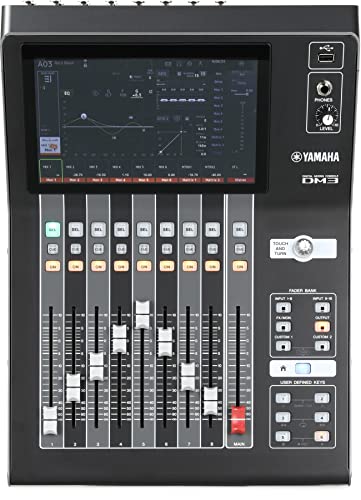
Yamaha DM3
Bands, small venues and project studios that want a compact 96 kHz digital console that doubles as an 18x18 USB recording interface.
Read the Yamaha DM3 review →Questions Buyers Ask
Behringer XENYX X1204USB Mixer
See the current listing, price and included accessories.
About This Review
Mandrillis Team
The Mandrillis editorial team researches and compares audio and music gear using manufacturer documentation, verified specs and real buyer feedback, so you can make a confident purchase without wading through marketing claims.
Read our full research methodology.