Studio Gear Review
Mackie 402VLZ4 Review: Compact Onyx Preamp Mixer
The Mackie 402VLZ4 is a light, 4-channel analog mixer built around 2 Onyx mic preamps with phantom power and RF rejection for broadcast use. This research review covers its confirmed dual outputs, its missing EQ and USB details, and who the compact design actually suits.
Our Verdict
Research Score 56/100The Mackie 402VLZ4 is a narrowly focused desktop mixer: two Onyx mic preamps with phantom power and stated RF rejection, four line inputs, and dual outputs on both quarter-inch and RCA connectors, all packed into a 2.5 pound frame. That combination suits podcasters and small broadcast setups that value clean preamps and a light footprint over a long feature list. The listing does not mention an EQ section, which is a real gap compared with most compact mixers, and there is no USB or digital connection described anywhere, so a separate recorder or interface is required for computer capture. Preamp gain and physical dimensions beyond weight are also unpublished. For its specific niche, clean two-mic analog mixing with flexible output options, it is a reasonable, if basic, choice.
Editorial research score based on published specifications and documented features, not a customer rating or lab test.

Mackie
Mackie 402VLZ4 4-Channel Compact Mixer
Best for: Podcasters, small studios and broadcast setups that need two clean, low-noise mic preamps with phantom power on a light, desktop-sized analog mixer.
Skip it if: You need to record a mix or individual channels directly to a computer, since the listing states no USB or other digital connection on this mixer.
Check Price on AmazonWe may earn a commission at no extra cost to you.
Listing verified: November 2026
Who Should Buy It
Buy it if
- Podcasters recording two hosts who want clean Onyx preamps without a computer interface
- Broadcast setups near RF transmitters that benefit from the stated interference rejection
- Buyers who want a light, 2.5 pound desktop mixer rather than a larger console
- Anyone pairing this mixer with a separate recorder or USB interface downstream
Skip it if
- You need to record multitrack audio to a computer from this mixer directly
- You require a stated EQ section for tone shaping on each channel
- You want an onboard battery option instead of an external power adapter
Key Specifications
| Type | 4-channel ultra compact desktop mixer for podcasts, small studio and broadcast use; no USB or digital connection stated in the listing |
| Inputs | 2 mic/line channels with XLR Onyx mic preamps and phantom power, plus 4 additional line inputs across the remaining channels |
| Outputs | Main outputs on both quarter-inch and RCA connectors, confirmed in the listing |
| Preamps | 2 Onyx mic preamps described as high headroom, low noise, with improved RF rejection (exact gain figure not published in listing) |
| Resolution | Not applicable, since no digital conversion or USB connection is stated in the listing |
| Phantom power | Yes, included with the 2 Onyx mic preamps |
| Connection | Not published in listing beyond the stated external power adapter; no USB or other digital connection is described |
| Monitoring | Not published in listing |
| Bundled software | Not applicable, since no USB connection is stated |
| Included accessories | An external power adapter is included, per the listing |
Overview
The Mackie 402VLZ4 is a compact, four-channel desktop mixer aimed at podcasts, small studio setups and broadcast use. It centers on two Onyx mic preamps with phantom power, four additional line inputs, and an output section offering both quarter-inch and RCA connectors, all packed into a frame the listing states weighs just 2.5 pounds.
Mackie's Onyx preamp design has a long track record in the company's larger mixing consoles, and this ultra compact mixer brings that same preamp name down to a small desktop unit. The listing is careful to note this is a current-revision product, meaning the images and specifications shown reflect the version actually shipping rather than an older design.
This review is assembled from the published listing and general knowledge of how compact Mackie mixers are typically built, without direct use of the hardware. Notably, the listing does not mention an EQ section at all, a gap worth flagging upfront since most mixers in this class include at least basic tone control. Buyers should weigh that absence carefully against the confirmed preamp quality before deciding whether this unit fits their workflow.
Preamps and Sound Quality
Two Onyx mic preamps sit at the heart of this mixer, described in the listing as offering high headroom, low noise and improved RF rejection specifically for broadcast environments. That RF rejection detail is a notable, specific claim rather than generic marketing language, and it points to this unit being designed with radio or television broadcast interference in mind.
Phantom power is confirmed alongside the two preamps, which supports condenser microphones for podcast hosts or voiceover work. No gain range in decibels is published, so buyers cannot compare headroom numerically against named reference preamps, though Mackie's Onyx line generally carries a strong reputation among podcasters and broadcasters for clean, quiet performance.
With only two mic preamps, this mixer is built for a two-person conversation format rather than a larger panel discussion. Buyers planning more than two simultaneous microphones should look at a mixer with additional mic channels rather than trying to route extra sources through the remaining line inputs. A three or four person panel show would quickly outgrow this unit's mic capacity, even though the four extra line inputs could still carry backing audio or a phone-in caller.
Inputs, Outputs and Routing
The input layout combines two mic/line channels, each accepting an XLR microphone through an Onyx preamp, with four additional line inputs spread across the remaining channels. That gives a two-host podcast or broadcast setup room for backing music, a phone-in line or a playback device alongside the two microphones.
Output routing is better documented than on several other mixers in this batch. The listing confirms main outputs on both quarter-inch and RCA connectors, which covers professional balanced equipment and simpler consumer gear such as a basic recorder or a pair of RCA-input speakers without needing an adapter.
Beyond the main outputs, the listing does not describe auxiliary sends, insert points or a headphone output, so routing flexibility beyond a basic stereo mix is not confirmed. For a two-mic podcast setup, that limitation is unlikely to matter much in practice, since most two-host shows need little more than a clean stereo feed to a recorder.
Features, Monitoring and Software
RF rejection is the most distinctive feature called out in the listing, aimed at broadcast environments where nearby radio transmitters can otherwise introduce interference into a mic signal. That is a specific, practical claim rather than a vague quality statement, and it suggests Mackie engineered this unit with broadcast use specifically in mind rather than as an afterthought.
No EQ, compressor or onboard effects are mentioned anywhere in the listing, which is a genuine limitation compared with many similarly priced compact mixers that include at least a basic EQ section. Buyers wanting tone shaping would need to handle it elsewhere, either through a connected recorder, software, or outboard processing.
No monitoring section, headphone output or software of any kind is described, and since there is no USB connection, there is nothing to install or configure beyond plugging in microphones, sources and the included power adapter. That minimal feature set keeps the learning curve short, though it also means a buyer gets exactly what is listed and nothing extra built into the chassis.
- 2 Onyx mic preamps with phantom power
- Stated RF rejection for broadcast environments
- 4 additional line inputs
- Dual quarter-inch and RCA main outputs
Build, Design and Controls
The Mackie 402VLZ4 weighs 2.5 pounds according to the listing, which is light even for a compact desktop mixer and should make it easy to move between a desk and a travel bag for a podcaster who records in more than one location.
Power comes from an included external adapter rather than an internal power supply, which the listing flags specifically, meaning there is no built-in power cord socket on the unit itself. That keeps the chassis smaller but means the adapter becomes an extra cable to manage and keep track of, particularly for anyone who travels with the mixer between a home setup and an outside location and needs to remember both pieces every time.
Control layout can be inferred from the described channels: two mic/line channel strips with gain and level control, plus four line inputs likely grouped as stereo pairs, feeding a simple master output section. The listing does not itemize knob count or provide exact physical dimensions beyond the stated weight.
Connectivity, Drivers and Latency
No USB, Bluetooth or other digital connection is stated anywhere in the listing, so the Mackie 402VLZ4 should be treated as a fully analog mixer with no computer connectivity in its published form. There are no drivers to install and no latency to consider through the mixer itself.
Recording a podcast or broadcast segment from this mixer would require connecting its quarter-inch or RCA output into a separate recorder or USB audio interface, since the mixer itself provides no digital path. That two-box approach is common in podcast setups that want a dedicated mixing surface in front of a separate recording device.
For live broadcast monitoring or feeding a transmitter directly, the analog outputs are likely sufficient on their own, and the lack of a digital connection is simply not relevant in that specific use case. A studio that already runs its recording chain through a separate interface downstream would simply use this mixer as a front-end gain stage and leave digital capture entirely to that other device.
Setup and Daily Use
Setup involves connecting microphones to the two Onyx preamp channels, routing any backing audio or phone-in sources through the four line inputs, and connecting the main output to a recorder, a broadcast console or a set of speakers using whichever connector type matches the downstream equipment.
Daily use for a two-host podcast would center almost entirely on setting input gain correctly on the two mic channels, since there is no EQ to adjust and no effects to engage. That simplicity cuts both ways: setup is quick, but there is less onboard control if a host's voice needs tonal correction mid-session. Any such correction would need to happen downstream, either in recording software or on a separate processor connected after the mixer's output.
Who Should Buy It
The Mackie 402VLZ4 suits a two-host podcast, a small broadcast booth, or a presenter who wants clean, low-noise mic preamps with phantom power and flexible output connectors, without needing EQ, effects or a USB connection built into the mixer itself.
It is a weaker fit for anyone who wants tone shaping on board, needs more than two simultaneous microphones, or plans to record directly to a computer without an additional recorder or interface in the signal chain.
Alternatives Worth Considering
A Mackie ProFX-series mixer adds EQ, effects and a USB connection to a similar small-format design, suited to buyers who want those features built in rather than handled by outboard gear or a separate interface.
The Behringer Xenyx mixers covered elsewhere in this batch offer more mic preamps and, on some models, a built-in USB connection for streaming, which may suit a larger podcast panel better than this two-mic unit.
For a buyer who specifically wants to add a USB recording path to this mixer's clean two-preamp front end, pairing it with a separate dedicated audio interface downstream keeps the Onyx preamp quality while adding computer connectivity that this unit does not provide on its own.
Verdict
The Mackie 402VLZ4 delivers exactly what its name and listing promise: two clean, phantom-powered Onyx mic preamps with stated RF rejection, four line inputs and dual-connector outputs, all in a light, 2.5 pound frame built for podcast and broadcast use.
The missing EQ and the complete absence of USB connectivity hold the score down, so buyers who want tone shaping on board or direct computer recording should plan around a separate device, while a two-host podcast or broadcast booth needing clean preamps will find this a sensible, if basic, pick.
Strengths and Limitations
Strengths
- 2 Onyx mic preamps with phantom power, described as high headroom and low noise
- Improved RF rejection, useful for broadcast settings near transmitters
- Dual output connector types, quarter-inch and RCA, for flexible routing
- Light at 2.5 pounds for a compact desktop footprint
- Current-revision unit, so published specs reflect the shipping version
Limitations
- No USB or digital connection is stated, so recording to a computer needs separate hardware
- No EQ is mentioned in the listing, despite most compact mixers offering tone control
- Preamp gain figure and physical dimensions beyond weight are not published
- Powered only by an external adapter, with no onboard battery option stated
How We Scored It
Scores reflect published specifications, documented features and value against the alternatives below. They are editorial research scores, not laboratory measurements.
Alternatives to Consider

Pioneer DJ XDJ-RX3
DJs who want club-standard standalone playback from USB with a large touchscreen and a familiar two-channel layout.
Read the Pioneer DJ XDJ-RX3 review →
Yamaha DM3-D 22
Small venues, houses of worship and production companies that want a compact 96 kHz digital console with Dante networking for stage boxes and multitrack recording.
Read the Yamaha DM3-D 22 review →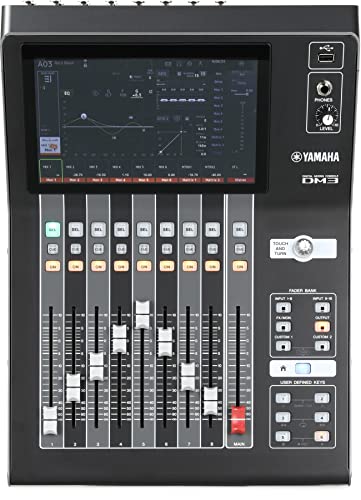
Yamaha DM3
Bands, small venues and project studios that want a compact 96 kHz digital console that doubles as an 18x18 USB recording interface.
Read the Yamaha DM3 review →Questions Buyers Ask
Mackie 402VLZ4 4-Channel Compact Mixer
See the current listing, price and included accessories.
About This Review
Mandrillis Team
The Mandrillis editorial team researches and compares audio and music gear using manufacturer documentation, verified specs and real buyer feedback, so you can make a confident purchase without wading through marketing claims.
Read our full research methodology.