Studio Gear Review
PreSonus Quantum ES 2 Review: High-Gain Preamps
The PreSonus Quantum ES 2 pairs MAX-HD preamps rated at plus 75 dB of gain with a Fender co-developed instrument input, an Auto Gain button and app-based control of phantom power. This research review checks those published figures against the resolution and build details the listing leaves unstated.
Our Verdict
Research Score 81/100The PreSonus Quantum ES 2 leads with a number most interfaces in this batch do not publish at all: plus 75 dB of gain from its MAX-HD preamps, backed by an Auto Gain button and an instrument input co-developed with Fender engineers for guitar and bass. The Universal Control app extends that further, letting a user adjust preamp gain and phantom power from a phone or tablet rather than only the hardware panel. Studio One Pro arrives as a perpetual license, adding real value beyond the hardware. What remains unpublished is resolution, exact phantom power voltage and chassis dimensions, a reasonable question for a careful buyer. Given the preamp detail published, this unit earns a score toward the upper part of the range covered in this batch.
Editorial research score based on published specifications and documented features, not a customer rating or lab test.

PreSonus
PreSonus Quantum ES 2 USB-C Audio Interface
Best for: Solo musicians and small home studios who want high-gain, digitally controlled preamps, a Fender-designed instrument input and a perpetual Studio One Pro license.
Skip it if: You need a confirmed sample rate and bit depth figure, or more than two simultaneous inputs, before committing to a purchase.
Check Price on AmazonWe may earn a commission at no extra cost to you.
Listing verified: November 2026
Who Should Buy It
Buy it if
- Guitarists and bassists who want an instrument input co-developed with Fender engineers
- Vocalists using higher-gain condenser microphones that benefit from plus 75 dB of preamp gain
- Buyers who want to control preamp gain and phantom power remotely from a phone or tablet
- Anyone who wants a perpetual Studio One Pro license bundled with the hardware
Skip it if
- You need a published sample rate or bit depth figure for comparison shopping
- You record three or more simultaneous sources regularly
- You need confirmed chassis dimensions for a specific desk or rack space
Key Specifications
| Type | USB-C audio interface |
| Inputs | 2 combo inputs with MAX-HD mic preamps, one of them a Fender co-developed instrument input (full input count beyond these two not published in listing) |
| Outputs | 2 balanced quarter-inch TRS main outputs plus a high-power headphone output |
| Preamps | 2 MAX-HD mic preamps rated at plus 75 dB of gain, described as digitally controlled analog |
| Resolution | Not published in listing (described only as high-performance converters, without a bit depth or sample rate figure) |
| Phantom power | Confirmed as a controllable preamp function via the Universal Control app; exact voltage not stated |
| Connection | USB-C |
| Monitoring | LED input and output metering, plus Loopback audio for monitor and streaming mixes |
| Bundled software | Studio One Pro perpetual license and the Universal Control app for desktop and mobile |
| Included accessories | Not published in listing |
Overview
The PreSonus Quantum ES 2 is a USB-C audio interface built around what the listing calls MAX-HD mic preamps, newly designed and rated at plus 75 dB of gain. That gain figure is a standout detail in this category, since many budget and mid-range interfaces do not publish an exact decibel number at all.
The instrument input on this unit was co-developed with Fender engineers specifically for guitar and bass, which the listing presents as a meaningful design choice rather than a generic line input relabeled for instruments. An Auto Gain button is included to set levels automatically for both microphones and instruments, aimed at reducing setup friction for a solo user working without an assistant.
Control extends beyond the hardware panel through the Universal Control app, which the listing describes as able to adjust preamp gain, phantom power and other critical functions from a phone, tablet or desktop computer. On paper, this combination of a high published gain figure, a purpose-built instrument input and flexible remote control places the Quantum ES 2 well ahead of many interfaces in this batch on documented detail alone. The price tier given for this listing is budget, which makes the depth of published preamp and software detail a notable contrast to other low-cost interfaces that leave most specifications unstated.
Preamps and Sound Quality
The MAX-HD preamps are the centerpiece of the published specification, rated at plus 75 dB of gain and described as the result of three decades of PreSonus preamp development. The listing calls them transparent, low-noise and digitally controlled analog, language that points to an analog signal path with digital control over gain rather than a fully digital preamp stage.
That gain figure matters most to buyers using lower-output microphones, such as ribbon mics or quieter dynamic models, which need substantial clean gain before they reach a usable recording level. Plus 75 dB is a genuinely high number in this category, and its presence in the listing is a meaningful point of differentiation from the several products in this batch where no gain figure is published at all.
The Fender co-developed instrument input adds a second dimension to the sound quality story, since it is described as designed specifically for guitar and bass rather than adapted from a generic line input. The listing does not state an exact input impedance figure, so guitarists chasing a specific tonal result from high-impedance pickups should treat this as a design claim rather than a measured number. Buyers report that purpose-built instrument inputs of this kind tend to behave more predictably with passive pickups than a general-purpose line input pressed into instrument duty.
Inputs, Outputs and Routing
Two combo inputs anchor the Quantum ES 2, both carrying MAX-HD preamps, with one also serving as the Fender-designed instrument input for guitar and bass. The listing does not state whether additional line-level inputs exist beyond these two combo jacks, so buyers planning a third simultaneous source should confirm that separately.
On the output side, two balanced quarter-inch TRS main outputs are listed for connecting to studio monitors, along with a high-power headphone output described as suited to flexible monitoring. A high-power headphone circuit is a practical detail for anyone using higher-impedance headphones that need more voltage to reach a comfortable listening level.
Loopback audio is also listed, which lets a user build monitor or streaming mixes that combine computer playback with live input, a feature that extends this interface's usefulness beyond pure studio tracking into light content creation as well. The listing does not specify how many simultaneous loopback channels are supported, so buyers planning a complex streaming routing setup should confirm that detail separately.
Features, Monitoring and Software
Auto Gain is the standout convenience feature, described in the listing as setting the perfect gain level for microphones and instruments automatically, which reduces the trial and error that newer users often go through when gain-staging a recording manually.
Bright LED metering is listed for both input and output levels, which the listing frames as particularly useful when recording alone without anyone else to watch levels. That detail suggests the Quantum ES 2 is designed with the solo home-studio user specifically in mind rather than a crewed professional session.
The Universal Control app ties these features together, working across mobile and desktop devices so that preamp gain, phantom power and other critical functions can be adjusted from the top panel of the hardware or from inside the app, without the user looking away from the recording session itself.
- MAX-HD preamps at plus 75 dB of gain
- Auto Gain button for fast level setting
- Fender co-developed instrument input
- Universal Control app for mobile and desktop
- Bright LED input and output metering
- Loopback audio for streaming or monitor mixes
Build, Design and Controls
The listing does not describe the chassis material, weight or physical dimensions of the PreSonus Quantum ES 2, which leaves buyers planning a specific desk footprint or travel case without a confirmed figure to work from.
Control is split between the top panel and the Universal Control app, with the listing noting that critical preamp functions can be managed from either location. That dual-control approach suggests a design intended to minimize how often a user needs to look away from a screen during a session, though the physical knob count and layout are not itemized.
LED metering is the one physical display element the listing confirms, described as bright and responsive, which should make level checking straightforward even in a dim home-studio environment without relying solely on software meters. Beyond that, the listing stays silent on the number of physical gain knobs, so a buyer who prefers individually labeled controls over app menus should treat the control layout as an open question.
Connectivity, Drivers and Latency
The Quantum ES 2 connects over USB-C, and the listing states that a custom low-latency driver is paired with high-performance converters to keep audio latency low throughout the signal chain during recording. No specific millisecond figure is given, so the claim should be read as a general design priority rather than a measured benchmark.
Because the interface is controlled partly through the Universal Control app across desktop and mobile platforms, cross-device compatibility appears to be a deliberate design goal, though the listing does not name every supported operating system version explicitly.
Loopback routing, covered earlier under features, also depends on stable USB connectivity, since it combines live input with computer playback in real time. A well-behaved driver matters more for this kind of simultaneous routing than it would for simple single-track recording.
Setup and Daily Use
Initial setup involves connecting the USB-C cable, installing the Universal Control app, and letting Auto Gain set starting levels for a microphone or instrument before fine-tuning manually if needed. The listing frames this as a quick path to a usable recording level without extensive manual gain-staging.
Daily use benefits from the combination of Auto Gain and app-based control, since a returning user can recall settings quickly rather than resetting levels from scratch each session. The bright LED metering adds a layer of confidence when recording alone, letting a solo musician watch for clipping without needing a second person to monitor levels.
Who Should Buy It
The PreSonus Quantum ES 2 suits a guitarist or bassist who wants an instrument input specifically engineered for their instrument rather than a generic line input, paired with high-gain preamps for vocal tracking on the same unit.
It also fits a solo home-studio owner who values fast, repeatable gain-staging through Auto Gain and remote control through the Universal Control app, along with anyone who wants a perpetual Studio One Pro license rather than a time-limited trial bundled with their hardware.
Alternatives Worth Considering
The Universal Audio Volt 2 is a common comparison point for buyers focused on preamp character and vintage-style modeling, though its exact gain figures are outside this listing's data and should be checked independently before comparing against the Quantum ES 2's stated plus 75 dB number.
The MOTU M2 is another two-input interface frequently mentioned in this price range, known broadly for its own metering approach, though again its specific published numbers fall outside what this listing covers.
Within PreSonus's own lineup, the AudioBox series offers a simpler, lower-gain alternative for buyers who do not need the MAX-HD preamp's high gain figure or the Fender-developed instrument input and want to save on cost instead.
Verdict
The PreSonus Quantum ES 2 stands out in this batch for publishing a specific preamp gain figure, plus 75 dB, alongside a Fender co-developed instrument input, Auto Gain, app-based control and a perpetual Studio One Pro license.
Resolution, exact phantom power voltage and chassis dimensions remain unstated, but the depth of preamp detail that is published supports a score near the top of the range covered in this review set.
Strengths and Limitations
Strengths
- MAX-HD mic preamps rated at plus 75 dB of gain
- Fender co-developed instrument input built for guitar and bass
- Auto Gain button for fast, repeatable level setting
- Universal Control app manages preamp gain and phantom power from a phone, tablet or computer
- Studio One Pro included as a perpetual license rather than a trial
Limitations
- Resolution, meaning bit depth and sample rate, is not stated in the listing
- Exact phantom power voltage is not confirmed
- Chassis material, weight and dimensions are not described
- Only two main inputs are confirmed, which limits simultaneous sources
How We Scored It
Scores reflect published specifications, documented features and value against the alternatives below. They are editorial research scores, not laboratory measurements.
Alternatives to Consider

Pioneer DJ XDJ-RX3
DJs who want club-standard standalone playback from USB with a large touchscreen and a familiar two-channel layout.
Read the Pioneer DJ XDJ-RX3 review →
Yamaha DM3-D 22
Small venues, houses of worship and production companies that want a compact 96 kHz digital console with Dante networking for stage boxes and multitrack recording.
Read the Yamaha DM3-D 22 review →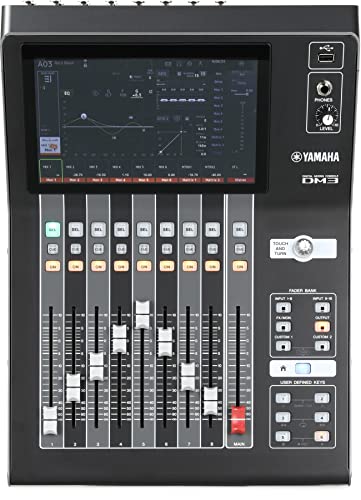
Yamaha DM3
Bands, small venues and project studios that want a compact 96 kHz digital console that doubles as an 18x18 USB recording interface.
Read the Yamaha DM3 review →Questions Buyers Ask
PreSonus Quantum ES 2 USB-C Audio Interface
See the current listing, price and included accessories.
About This Review
Mandrillis Team
The Mandrillis editorial team researches and compares audio and music gear using manufacturer documentation, verified specs and real buyer feedback, so you can make a confident purchase without wading through marketing claims.
Read our full research methodology.