Studio Gear Review
Rode AI-1 Review: Compact Single-Preamp Interface
The Rode AI-1 is a compact, single-preamp USB audio interface with phantom power, measuring 124mm by 38mm and weighing 560 grams in black. This research review covers its confirmed physical specs against the resolution and output details that the listing leaves unpublished for buyers.
Our Verdict
Research Score 50/100The Rode AI-1 is a narrowly focused interface built around one phantom-powered preamp input, and the listing is unusually specific about its physical footprint, stating dimensions of 124mm by 38mm and a weight of 560 grams, details many budget interfaces never publish. That single-input design suits a solo podcaster, voiceover artist or musician recording one source at a time, and Rode's general reputation in microphones and audio gear lends some confidence to the brand even where this listing stays quiet. Resolution, output count, connector types and any bundled software are all unstated, so buyers who need those specifics confirmed should look elsewhere or contact Rode directly. For a compact single-input tool with confirmed phantom power, this is a reasonable, if sparsely documented, budget option.
Editorial research score based on published specifications and documented features, not a customer rating or lab test.

Rode
Rode AI-1 USB Audio Interface
Best for: Solo podcasters, voiceover artists and single-instrument recordists who want a small, phantom-powered USB interface for one microphone or instrument at a time.
Skip it if: You need to record two or more sources simultaneously, since the listing confirms only a single preamp input on this interface.
Check Price on AmazonWe may earn a commission at no extra cost to you.
Listing verified: November 2026
Who Should Buy It
Buy it if
- Solo podcasters and voiceover artists recording one microphone at a time
- Musicians who want a compact, travel-friendly single-input interface
- Buyers who specifically need confirmed phantom power on a small unit
- Anyone prioritizing the stated compact size and light weight over extra features
Skip it if
- You need two or more simultaneous inputs for a duo or band recording
- You require a confirmed resolution or sample rate before ordering
- You want bundled recording software included with the interface
Key Specifications
| Type | Compact USB audio interface built around a single preamp input |
| Inputs | 1 mic or instrument preamp input (exact connector type not published in listing) |
| Outputs | Not published in listing |
| Preamps | 1 preamp with phantom power (gain figure not published in listing) |
| Resolution | Not published in listing |
| Phantom power | Yes, stated directly in the listing |
| Connection | USB, confirmed in the listing (bit depth, sample rate and driver requirements not specified) |
| Monitoring | Not published in listing |
| Bundled software | Not published in listing |
| Included accessories | Not published in listing |
Overview
The Rode AI-1 is a compact USB audio interface built around a single preamp input with phantom power. The listing is notably sparse on recording specifications but unusually precise about the unit's physical footprint, stating dimensions of 124mm by 38mm and a weight of 560 grams, figures that many other budget interfaces in this batch never publish at all.
Rode is primarily known for microphones rather than interfaces, so the AI-1 reads as a focused accessory meant to pair naturally with the company's own mic lineup, giving a single-source recordist a simple way to connect a microphone or instrument to a computer without a larger multi-channel unit.
This review draws only on the published listing, since the feature bullets here are limited to USB connectivity, phantom power, the physical dimensions and weight, and a single preamp count. Resolution, output configuration and bundled software are all left unstated, and each gap is addressed plainly in the relevant section below. Buyers used to more detailed listings from larger interface brands should expect a noticeably shorter spec sheet here, and should plan their purchase decision accordingly.
Preamps and Sound Quality
The Rode AI-1 carries a single preamp, confirmed in the listing alongside phantom power. That pairing covers the essential requirement for running a condenser microphone, which is the most common microphone type used for podcasting, voiceover and home vocal recording.
No gain range in decibels or noise specification is published, so this review cannot compare the AI-1's preamp numerically against named reference units. Rode's broader reputation in microphones is built on clean, accurate reproduction, and while that reputation does not directly confirm a specification for this particular preamp circuit, it is a reasonable general expectation for the brand.
Because there is only one preamp, sound quality considerations here are entirely about how clean that single channel performs, rather than about matching multiple preamps for a stereo or multi-source recording. Buyers needing two matched preamps for a duo interview or a stereo instrument pair should look at a different unit entirely. A single voiceover artist recording narration alone, by contrast, loses nothing from this one-channel limitation and simply benefits from a smaller, lighter unit to carry between sessions.
Inputs, Outputs and Routing
Input count is unambiguous: one preamp input, intended for a single microphone or instrument at a time. The listing does not specify the exact connector type, so whether this is a combo XLR and quarter-inch jack or a different connector is not confirmed from the published data.
Output configuration is entirely unstated in the listing. No mention is made of a headphone output, a line output or how many outputs the interface provides, which is a real gap for anyone planning a specific monitoring setup around this unit.
With a single input and no described output routing, this interface should be understood as a straightforward point-to-point tool: one source in, a USB signal out to the computer, with the monitoring and output details left to be confirmed separately by the buyer before purchase. That simplicity may suit a buyer who finds larger multi-channel interfaces confusing, provided they do not need the missing output or monitoring information for their specific setup.
Features, Monitoring and Software
The feature set described in the listing is minimal: USB connectivity and phantom power are the two functional claims made, alongside the physical size and weight figures already covered. No onboard effects, EQ or additional processing is mentioned anywhere.
Monitoring is not addressed in the listing at all, so whether this interface includes a headphone output with zero-latency direct monitoring, a feature common on single-input interfaces from other brands, cannot be confirmed here. Buyers who need confirmed headphone monitoring should verify this directly with Rode before ordering.
No bundled software, recording application or DAW compatibility list is named in the listing, which leaves buyers to source and configure their own recording software independently of anything included with this purchase. Most mainstream recording software should work with a class-compliant USB interface regardless, though that remains a general expectation rather than a confirmed compatibility statement from Rode for this specific listing.
Build, Design and Controls
Build detail here is unusually specific for a budget unit in this batch. The listing states exact dimensions of 124mm by 38mm and a weight of 560 grams, giving a buyer a precise sense of scale even without a stated chassis material.
At that size and weight, the AI-1 reads as genuinely portable, suited to being packed alongside a laptop or a small microphone kit for travel recording, though the listing does not describe the specific case material protecting the internal electronics. A field recordist or a journalist conducting remote interviews would likely find that portability one of the unit's strongest practical selling points.
Control layout can only be inferred given a single input: likely a gain control and a phantom power switch, possibly alongside a USB status indicator, though the listing does not itemize the exact control count or placement on the unit.
Connectivity, Drivers and Latency
USB connectivity is confirmed as the AI-1's sole digital connection, but the listing does not state bit depth, sample rate or driver requirements. Buyers cannot confirm resolution ahead of purchase from this listing alone, which is a meaningful gap for anyone comparing recording quality across several interfaces.
Operating system compatibility is also unstated, so buyers on a specific version of Windows or macOS should verify current driver support directly with Rode rather than assuming broad compatibility from the listing's silence on the topic. That verification is a small step that can prevent a frustrating first session if the interface needs a driver update before it is recognized correctly by the computer.
Latency for a single-input USB interface like this is typically low in general, though without a published specification, that remains a category-level expectation rather than a confirmed figure for this specific unit.
Setup and Daily Use
Setup would involve connecting a microphone or instrument to the single preamp input, enabling phantom power if a condenser microphone is used, connecting the USB cable to a computer, and selecting the AI-1 as the input device within whichever recording software the buyer has chosen separately.
In daily use, this interface is built for simplicity: one source, one gain control, and a direct USB connection, with no competing channels or routing options to manage. That makes it a quick tool to pick up and use repeatedly for a recurring single-voice podcast or voiceover session. A traveling voiceover artist moving between a home office and a hotel room would likely appreciate having one fewer decision to make about channel routing each time a new session starts.
Who Should Buy It
The Rode AI-1 suits a solo podcaster, voiceover artist or musician who records one source at a time and wants a small, light, phantom-powered interface that travels easily between a desk and a bag.
It is a weaker match for anyone recording two or more simultaneous sources, or for a buyer who needs confirmed resolution, output configuration or bundled software stated before committing to a purchase, since none of those are confirmed in this listing. A growing podcast adding a second regular co-host would be better served by a two-input interface from the start.
Alternatives Worth Considering
A compact two-input interface such as a Focusrite Scarlett 2i2 style unit offers a second preamp for a duo recording or a stereo instrument setup, trading some of the AI-1's minimalism for added flexibility, though exact specifications for that comparison model are not restated here.
The Audio-Technica AT-UMX3, covered elsewhere in this batch, adds a loopback function and two extra line inputs for streaming use, a different focus than the AI-1's pure single-input recording design.
For buyers who specifically value Rode's brand and ecosystem, pairing the AI-1 with a Rode microphone may offer a more cohesive setup than mixing brands, though that remains a general observation rather than a confirmed compatibility claim from this listing.
Verdict
The Rode AI-1 delivers exactly what a solo recordist needs from a minimal interface: one phantom-powered preamp input, confirmed USB connectivity, and precisely stated dimensions and weight that make its portability easy to evaluate ahead of purchase.
Unpublished resolution, output configuration and software details hold the score to the lower end of the budget range, so buyers who need those specifics confirmed should look elsewhere, while a single-source recordist who values compact simplicity will find this a workable choice.
Strengths and Limitations
Strengths
- Phantom power included for condenser microphones
- Compact at 124mm by 38mm and light at 560 grams, per the listing
- Simple single-preamp design keeps setup straightforward
- USB connectivity confirmed for computer recording
Limitations
- Only 1 preamp, so no multi-mic or multi-instrument recording at once
- Resolution, output count and connector types are not published
- No bundled software or DAW compatibility list is given
- Build material beyond the stated weight and dimensions is not described
How We Scored It
Scores reflect published specifications, documented features and value against the alternatives below. They are editorial research scores, not laboratory measurements.
Alternatives to Consider

Pioneer DJ XDJ-RX3
DJs who want club-standard standalone playback from USB with a large touchscreen and a familiar two-channel layout.
Read the Pioneer DJ XDJ-RX3 review →
Yamaha DM3-D 22
Small venues, houses of worship and production companies that want a compact 96 kHz digital console with Dante networking for stage boxes and multitrack recording.
Read the Yamaha DM3-D 22 review →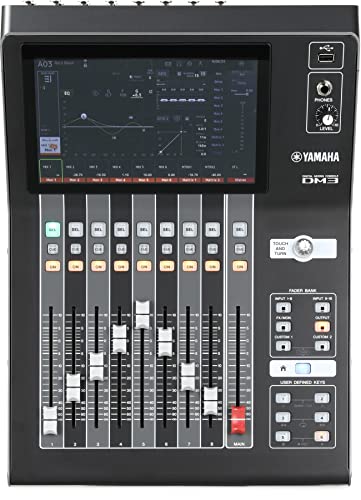
Yamaha DM3
Bands, small venues and project studios that want a compact 96 kHz digital console that doubles as an 18x18 USB recording interface.
Read the Yamaha DM3 review →Questions Buyers Ask
Rode AI-1 USB Audio Interface
See the current listing, price and included accessories.
About This Review
Mandrillis Team
The Mandrillis editorial team researches and compares audio and music gear using manufacturer documentation, verified specs and real buyer feedback, so you can make a confident purchase without wading through marketing claims.
Read our full research methodology.